Call: 1-800-832-7191

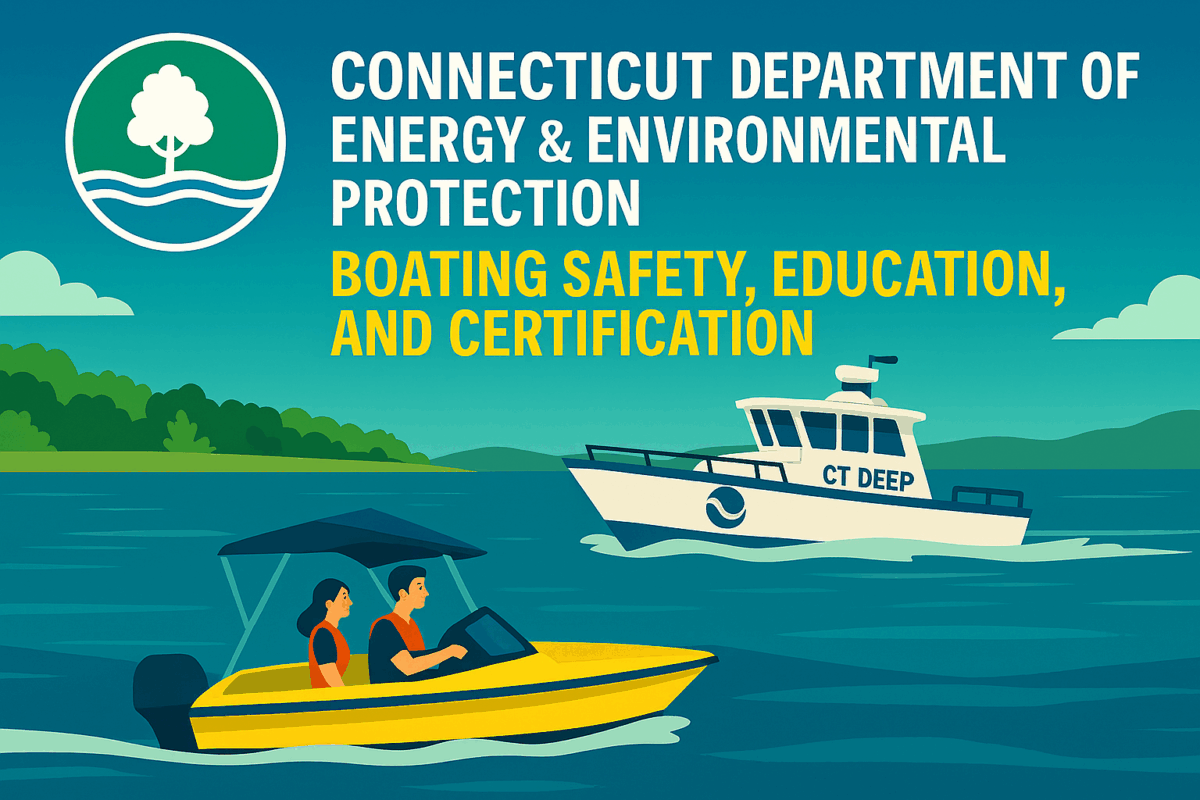
CT DEEP Connecticut Coastal Access
Connecticut Coastal Access: Exploring Opportunities Along the Shoreline
Access to coastal areas creates opportunities for recreation, exploration, and enjoyment. Connecticut Coastal Access represents the idea of connecting people with shoreline environments through thoughtful planning and responsible use. Whether visitors seek relaxation or outdoor activities, accessible shoreline areas support a wide range of experiences. Furthermore, convenient access encourages more people to appreciate coastal settings while developing a stronger connection to the water.
Many outdoor enthusiasts value locations that offer simple and welcoming entry points. As a result, communities often benefit when visitors can enjoy coastal areas comfortably. In addition, accessible shoreline environments encourage longer visits and more positive experiences. Therefore, coastal access remains an important part of creating enjoyable waterfront destinations.
Understanding Access
Shoreline access involves much more than reaching the water. Instead, it includes pathways, viewing areas, gathering spaces, and supportive amenities. Consequently, visitors can enjoy coastal environments through a variety of activities and experiences.
Planning plays a significant role in creating accessible shoreline areas. Meanwhile, thoughtful design helps visitors move comfortably throughout a destination. Because convenience influences enjoyment, many people appreciate locations that provide clear routes and organized facilities. As a result, shoreline experiences become more welcoming and enjoyable.
Accessible coastal areas also encourage exploration. Furthermore, visitors often feel more confident when navigation remains simple and straightforward. Therefore, effective access supports both comfort and satisfaction during outdoor adventures.
Benefits of Coastal Recreation
People visit coastal locations for many different reasons. Some enjoy scenic views, while others prefer outdoor activities near the water. Additionally, many visitors appreciate opportunities to spend time with family and friends in relaxed surroundings.
Coastal recreation offers flexibility for different interests and activity levels. For example, some individuals prefer peaceful observation areas, while others enjoy active exploration. Consequently, shoreline destinations often appeal to a broad audience.
Comfortable access supports these experiences. Moreover, visitors can focus on enjoying their surroundings rather than navigating unnecessary obstacles. Because convenience improves satisfaction, many people value destinations that emphasize accessibility and ease of use.
Connecticut Coastal Access and Visitor Experiences
Experiences often improve when visitors feel prepared and comfortable. Therefore, Connecticut Coastal Access highlights the importance of making shoreline environments easier to enjoy. When people can reach destinations with confidence, they often spend more time exploring available opportunities.
Clear pathways contribute to a positive atmosphere. Likewise, organized layouts help visitors understand their surroundings more quickly. As a result, people can focus on recreation rather than logistics.
Welcoming environments also encourage return visits. Furthermore, positive experiences often inspire visitors to explore additional shoreline locations. Because accessibility influences first impressions, thoughtful coastal access supports long-term engagement and enjoyment.
Planning for Connecticut Coastal Access
Successful shoreline experiences often begin with careful planning. Accordingly, communities and organizations frequently consider accessibility when developing coastal spaces. This approach helps create environments that serve a variety of visitor needs.
Visitors also benefit from preparation before arriving. For instance, reviewing available amenities can improve convenience and comfort. Additionally, understanding general site layouts helps reduce uncertainty during a visit.
Good planning supports smoother experiences. Therefore, people can spend more time enjoying coastal attractions and less time overcoming challenges. At the same time, organized access encourages responsible use of shoreline resources. Consequently, everyone benefits from a more enjoyable environment.
Why Connecticut Coastal Access Matters
Many people view shoreline areas as valuable places for recreation and relaxation. For that reason, Connecticut Coastal Access remains an important concept for enhancing visitor experiences. Accessible destinations create opportunities for exploration while supporting comfort and convenience.
Strong access encourages participation. Furthermore, convenient shoreline entry points help visitors feel more connected to coastal environments. Because enjoyment often begins with accessibility, thoughtful planning contributes to positive outcomes.
Communities also benefit when visitors can comfortably reach and enjoy waterfront locations. In addition, accessible coastal areas encourage appreciation for natural surroundings and outdoor activities. Therefore, shoreline access supports both recreation and engagement.
Ultimately, coastal experiences become more rewarding when accessibility remains a priority. As visitors explore shoreline destinations, they often discover new opportunities for enjoyment and relaxation. With thoughtful planning and welcoming environments, coastal access can continue to enhance outdoor experiences for a wide range of visitors.