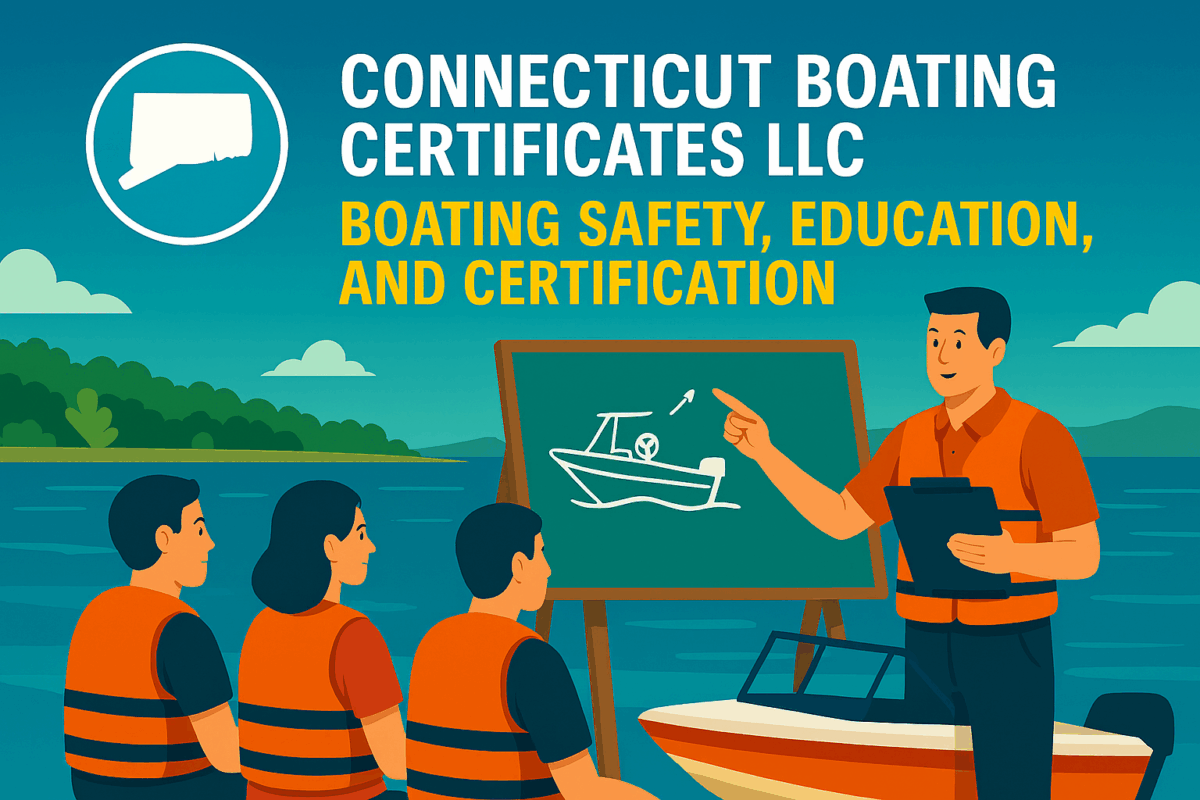
A Connecticut Boating Certificates LLC instructor guiding students through a hands-on boating safety course, emphasizing certification and responsible boating practices. Connecticut Boating Certificates: The Best in Boating Education When it comes to boating education in Connecticut, one name stands out above the rest—Connecticut Boating Certificates LLC. Known for delivering the best boating education in Connecticut, this trusted provider has helped thousands of residents earn their safe boating certificates and navigate the waters with confidence and skill. Whether you're new to boating or looking to refresh your knowledge, Connecticut Boating Certificates offers boating classes that are engaging, informative, and tailored to meet the needs of every student. These classes go beyond the basics, diving into real-world scenarios, safety protocols, and essential navigation skills. The instructors are seasoned professionals who bring years of experience and a passion for safe boating to every session. In Connecticut, obtaining a boater’s license—officially known as a Safe Boating Certificate—is a legal requirement for operating a motorized vessel. But more than just a regulatory checkbox, this certification is a gateway to safer, smarter boating. Connecticut Boating Certificates makes the process simple and accessible, offering both in-person and online options to accommodate busy schedules. Their streamlined registration and user-friendly platform make it easy to get started, no matter your level of experience. What sets Connecticut Boating Certificates apart is their unwavering commitment to boating safety. Every class emphasizes the importance of responsible boating, from understanding weather conditions and emergency procedures to mastering the rules of the water. Students leave not only with a certificate but with the confidence to handle unexpected situations and make sound decisions on the water. The curriculum is designed to meet and exceed state standards, ensuring that every graduate is fully prepared to operate a vessel safely and legally. Topics include navigation rules, environmental awareness, personal watercraft operation, and the responsibilities of boat ownership. The goal is simple: to create knowledgeable, safety-conscious boaters who respect the waterways and protect themselves and others. Connecticut Boating Certificates has earned its reputation as the best in education by consistently delivering high-quality instruction and outstanding customer service. Their dedication to excellence is reflected in glowing reviews from students across the state, many of whom return for advanced courses or recommend the program to friends and family. For those seeking a reliable path to certification, Connecticut Boating Certificates is the clear choice. Their boating education program is not just about passing a test—it's about building a foundation for a lifetime of safe and enjoyable boating. Whether you're cruising on Candlewood Lake, fishing in Long Island Sound, or exploring the Connecticut River, the knowledge you gain here will serve you well. In a state rich with waterways and boating opportunities, having the right education makes all the difference. Choose Connecticut Boating Certificates for your safe boating certificate, and join the ranks of responsible boaters who prioritize safety, skill, and stewardship on the water. CBC Class includes Boating First Aid, Auto Injectors, Basic Life Support, Severe Trauma, Lifeguarding, Pediatric, Wilderness are all part of Connecticut Boating Certificates First Aid Initiative. Education includes Boating, Under the Influence Initiatives, Boats MPG at Peak HP, OLR Boaters Liability Insurance, Morse Code, Military Alphabet, choosing a Life Jacket, the Pre-Departure Checklist, Launch and Retrieval Checklists. Featuring a great article by Dirty Jobs with Mike Rowe. Continue to Educate yourself on CT DMV Registration Fees, 4Ocean Clean Ocean Movement, United States Harbors Connecticut, Kessler's Basic Plotting Course, CT Recreational Boating Density, Propeller Strikes, Boating Fuel Log Example, Handy Items to have on board, The IALA Maritime Buoyage System (MBS), Mayday Emergency Radio Procedures for your boat, CT General Assembly:  Boating, The International Aids to Navigation, Lake Zoar Authority Safety, Human Error and Boating, Maritime Radio Users Handbook, Boats GPH Gas and Diesel, our partnership with lakeside watersports on candlewood lake. Connecticut's Swimming Water Quality, Safe Boating Council, NMEA 2000, Cold Water Boating, Today at, Aging Smaller Dams, About Us, Connecticut VHF Procedures Explained, Connecticut Waterway Maps, How to Prepare for the Connecticut Safe Boating Certificate Exam, CBC Class Operating the Blower, https://portal.ct.gov/deep/boating/boat-registration, CBC Class 2026 Video, Discover essential tips for Memorial Day Boating Safety to ensure a smooth, safe, and enjoyable time on the water, Haulover Inlet Pt 1, Haulover Inlet Pt 2, Connecticut's If Found Sticker, Haulover Pt 3, VHF Lighthouses?,

VHF Lighthouses

In by admin

VHF Lighthouses: A Helpful Guide to Reliable Marine Communication

When boaters travel across open water, clear communication becomes a top priority. VHF Lighthouses represent an important concept in marine awareness and communication planning. They help illustrate how mariners can use dependable communication tools while navigating changing conditions. Although every boating situation differs, understanding communication principles can support better decision-making and increased confidence on the water.

Marine communication often depends on consistency. Therefore, boaters benefit from learning common practices before leaving the dock. Strong preparation supports safer trips and encourages better coordination among everyone aboard. As a result, communication becomes more organized, efficient, and easier to manage throughout a voyage.

Understanding VHF Lighthouses

Boaters often associate communication systems with guidance and awareness. In that context, VHF Lighthouses serve as a useful concept for understanding how communication can support navigation activities. Rather than relying on assumptions, mariners can develop procedures that promote clear and timely exchanges.

Users typically establish communication plans before beginning a trip. Meanwhile, crew members review basic procedures and confirm expectations. This preparation helps reduce confusion and creates a more structured boating experience. Consequently, everyone remains informed and better prepared to respond to changing circumstances.

Communication Benefits for Boaters

Reliable communication provides several advantages during recreational and educational boating activities. For example, crew members can coordinate tasks more effectively and share updates without unnecessary delays. Furthermore, clear communication supports teamwork and improves overall vessel management.

Many boaters choose to practice communication techniques before venturing into unfamiliar waters. As a result, they gain confidence and become more comfortable using available communication resources. Additionally, consistent practice strengthens skills that remain valuable during routine operations as well as unexpected situations.

Using VHF Lighthouses for Better Awareness

Awareness plays a critical role in successful boating experiences. Through careful observation and communication, mariners build a stronger understanding of their surroundings. Therefore, VHF Lighthouses can symbolize the connection between communication readiness and situational awareness.

Before each outing, operators often review important information with passengers. Next, they discuss communication expectations and assign responsibilities when needed. This approach creates a more organized environment aboard the vessel. Consequently, everyone understands their role and contributes to smoother operations.

Effective communication also supports better decision-making. In addition, timely information allows operators to respond confidently when conditions change. Because awareness influences every aspect of boating, maintaining open communication remains a practical and valuable habit.

Planning Communication Strategies

Preparation creates a solid foundation for successful boating adventures. Accordingly, experienced mariners often develop communication strategies before departure. These plans may include routine check-ins, standard procedures, and clearly defined responsibilities.

By establishing expectations early, crews reduce misunderstandings and improve coordination. Likewise, passengers feel more comfortable when they understand how communication functions during the trip. Since preparation supports confidence, many boaters consider communication planning a key part of their overall boating routine.

Clear strategies also encourage consistency. Therefore, operators can focus more attention on navigation and vessel management. At the same time, crew members remain informed and ready to assist when necessary. This balanced approach promotes efficiency and strengthens teamwork.

Why VHF Lighthouses Matter

Many boating concepts emphasize preparation, awareness, and communication. For that reason, VHF Lighthouses represent a valuable topic for individuals seeking to improve their understanding of marine communication practices. They highlight the importance of maintaining reliable methods for sharing information while on the water.

Whether boating for recreation, education, or personal enjoyment, communication remains an essential skill. Furthermore, strong communication habits contribute to smoother operations and more positive experiences. As conditions evolve, boaters who prioritize communication often feel better prepared to handle challenges.

Ultimately, thoughtful preparation can enhance every voyage. Therefore, mariners should continue developing communication skills and reviewing best practices regularly. With consistent effort, boaters can create safer, more organized, and more enjoyable experiences for everyone aboard.

Connecticut Boating Certificates Upcoming Courses