Call: 1-800-832-7191

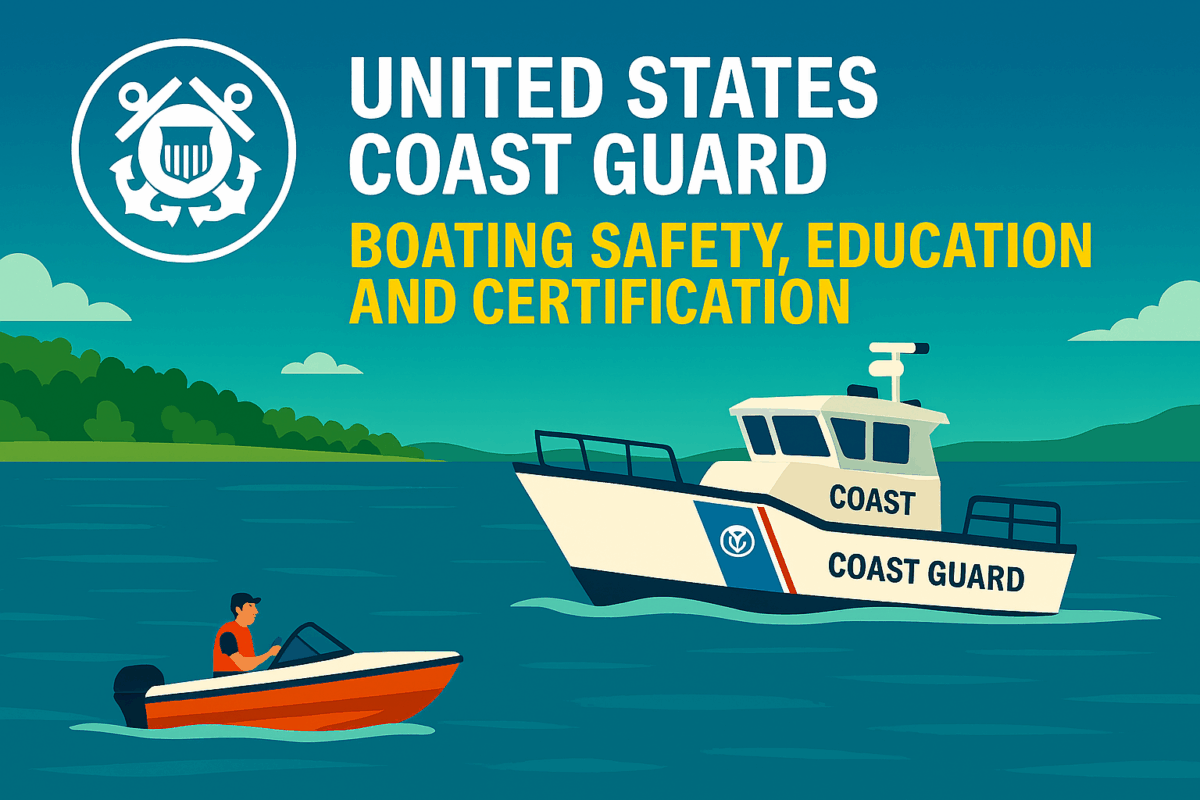
Joining the USCG
Understanding Joining the USCG
Joining the USCG represents an opportunity for individuals seeking challenge, service, and professional development. Many people consider maritime service because they want meaningful work and new experiences. Consequently, they often explore pathways that combine responsibility with personal growth. A commitment to service requires preparation, dedication, and a willingness to learn.
Maritime organizations often attract people from diverse backgrounds. Additionally, applicants may bring different skills, interests, and career goals. Some individuals seek technical training. Others pursue leadership opportunities and hands-on experience. Therefore, a service-oriented environment can appeal to many different personalities.
Training and preparation usually form the foundation of success. Meanwhile, new members often encounter unfamiliar challenges during their development. Learning new skills requires patience and effort. As a result, individuals frequently discover strengths they never realized they possessed.
Benefits of Joining the USCG
Many individuals explore Joining the USCG because they value teamwork and service. Working toward common goals creates a strong sense of purpose. Furthermore, members often gain practical experience in demanding environments. Those experiences help develop confidence and resilience.
Professional development remains an important advantage. Additionally, structured training helps individuals expand their knowledge and abilities. Learning opportunities may include technical skills, leadership development, and operational procedures. Consequently, participants often build valuable experience that benefits future endeavors.
Service environments encourage accountability and discipline. Moreover, individuals learn the importance of preparation and attention to detail. Success frequently depends on teamwork and communication. Therefore, members develop habits that support both professional and personal growth.
Many people also appreciate the sense of accomplishment that comes from serving others. Meanwhile, meaningful responsibilities provide motivation and direction. Dedicated service often creates lasting memories and valuable life lessons.
Preparation and Training
The journey toward Joining the USCG typically begins with preparation and research. Prospective applicants often spend time learning about expectations and requirements. Furthermore, preparation helps individuals enter training with greater confidence. Knowledge supports better decision-making throughout the process.
Physical readiness plays an important role in many service environments. Additionally, maintaining overall fitness helps individuals handle demanding situations more effectively. Healthy habits contribute to long-term success. Therefore, preparation often extends beyond academic learning.
Mental readiness also deserves attention. New experiences can present unexpected challenges. However, determination and adaptability help individuals overcome obstacles. A positive attitude supports continued progress during training. Consequently, resilience becomes an important personal asset.
Education remains valuable throughout the process. Moreover, continuous learning helps individuals adapt to changing responsibilities. Successful candidates often embrace opportunities to expand their knowledge. Lifelong learning contributes to professional growth and effectiveness.
Skills Developed Through Service
Service-oriented careers often help individuals develop a wide range of practical skills. Communication represents one of the most valuable abilities acquired through training and experience. Additionally, teamwork strengthens problem-solving and operational effectiveness. Strong communication supports successful outcomes in many situations.
Leadership development frequently occurs through structured responsibilities. Furthermore, individuals learn how to make decisions under pressure. Experience often builds confidence while improving judgment. As a result, members become better prepared for future challenges.
Technical knowledge may also expand significantly over time. Meanwhile, hands-on training often reinforces classroom instruction. Practical experience helps individuals apply concepts effectively. Therefore, learning becomes both engaging and meaningful.
Adaptability remains another important skill. Conditions and responsibilities can change unexpectedly. Consequently, individuals learn how to respond effectively to new circumstances. Flexibility supports success in dynamic environments. Those lessons often remain valuable throughout life.
Long-Term Value of Joining the USCG
The experience of Joining the USCG often extends beyond immediate training and responsibilities. Many individuals gain valuable knowledge, lasting friendships, and important life experiences. Moreover, service environments encourage personal accountability and professional growth. These qualities can benefit individuals long after their service concludes.
Career development frequently continues through ongoing education and training. Additionally, members often discover interests that guide future goals. Practical experience provides valuable insight into personal strengths and capabilities. Therefore, service can influence both professional and personal directions.
Community service remains an important aspect of many maritime organizations. Meanwhile, members often take pride in contributing to a larger mission. Purpose-driven work can create a strong sense of fulfillment. As a result, service experiences often leave a lasting impression.
Ultimately, Joining the USCG represents more than learning operational skills. The experience encourages dedication, teamwork, and continuous improvement. Through preparation, commitment, and perseverance, individuals develop valuable abilities that support future success. Strong character, effective communication, and a willingness to serve remain important foundations for achievement in any path they choose.