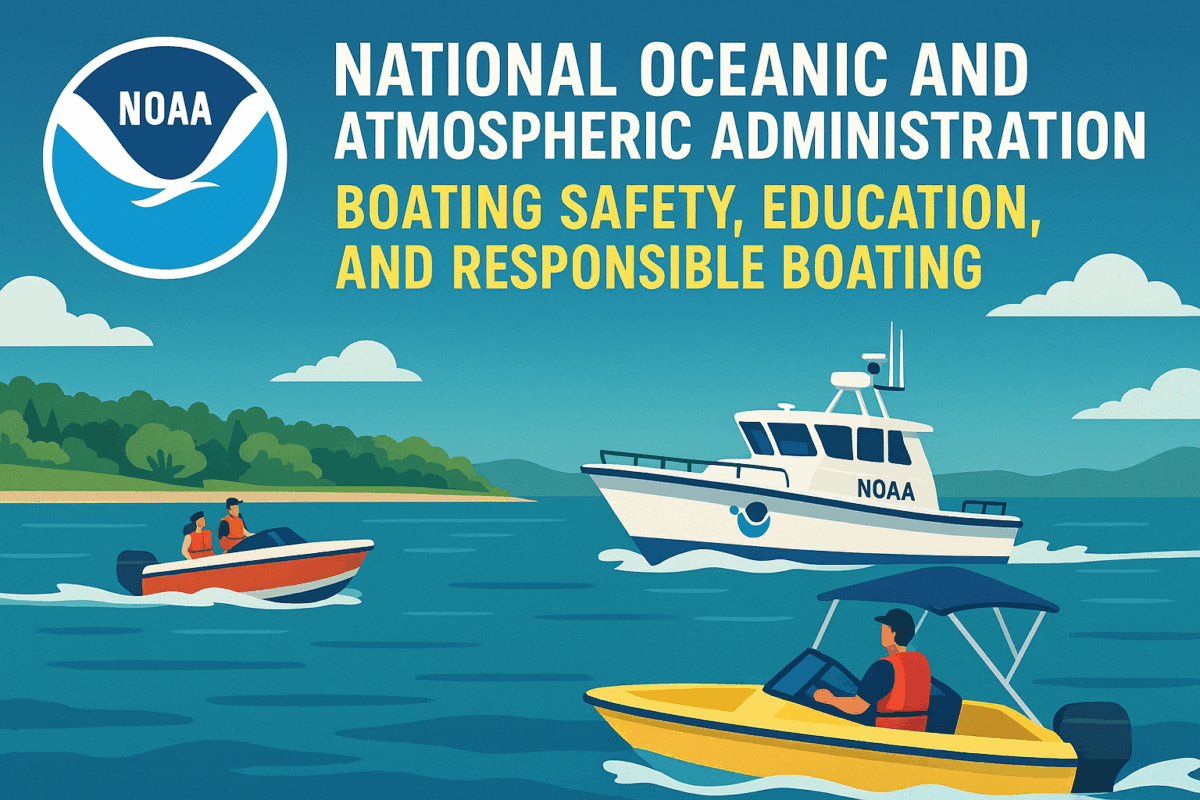
A NOAA patrol vessel monitoring coastal waters, promoting boating safety, education, and certification for responsible and smart boating practices. NOAA Long Island Sound Nautical Charts Overview The NOAA Long Island Sound Nautical Charts image displays detailed electronic chart data for safe navigation across coastal waters. Chart features include depth contours, shoreline details, and aids to navigation. Because accuracy matters, these charts support both recreational and commercial mariners. Navigational Safety Mariners in the image use NOAA ENCs to avoid hazards and plan efficient routes. Real-time positioning enhances safety. As a result, grounding risks decrease. Charting Technology The image highlights NOAA’s shift from paper charts to digital formats. Therefore, users benefit from weekly updates and customizable layouts. Using NOAA Long Island Sound Nautical Charts Understanding NOAA Long Island Sound Nautical Charts helps boaters navigate confidently. Learn more at NOAA Marine Navigation NOAA Chart Number One Overview The NOAA Chart Number One image displays a reference guide showing nautical chart symbols, abbreviations, and terms. It includes side-by-side comparisons of paper and electronic chart symbology. Because clarity matters, this chart helps mariners interpret navigation data accurately. Symbol Reference in Action Mariners in the image use NOAA Chart Number One to identify buoys, depth contours, and restricted areas. As a result, navigation becomes safer. Educational Utility The image highlights how students and instructors use the chart for training. Therefore, it supports both recreational and professional learning environments. Why NOAA Chart Number One Matters Understanding NOAA Chart Number One improves chart reading skills. Learn more at NOAA Chart No. 1. NOAA’s Interactive Global Charts Overview The NOAA’s Interactive Global Charts image displays a digital world map with layered nautical data and real-time satellite overlays. Users can zoom, pan, and select regions to access detailed chart information. Because accuracy matters, the system supports safe navigation and environmental monitoring. Real-Time Data Access Mariners in the image use NOAA’s Interactive Global Charts to view updated ENC data, weather overlays, and oceanographic conditions. As a result, voyage planning improves. Charting Innovation The image highlights NOAA’s shift to digital navigation tools. Therefore, users benefit from weekly updates and customizable chart formats. Why NOAA’s Interactive Global Charts Matter Understanding NOAA’s Interactive Global Charts enhances safety and efficiency. Learn more at NOAA Interactive Catalog. NOAA Coast Pilot Overview The NOAA Coast Pilot image shows a mariner referencing a printed volume alongside electronic charts on a navigation console. The book includes channel descriptions, tide data, and federal regulations. Because accuracy matters, the Coast Pilot supplements nautical charts with critical details. Navigational Support Mariners in the image use the NOAA Coast Pilot to verify bridge clearances and anchorage locations. As a result, voyage planning improves. Historical Significance The image highlights the Coast Pilot’s 200-year legacy. Therefore, it remains a trusted resource for coastal navigation. Why NOAA Coast Pilot Matters Understanding the NOAA Coast Pilot enhances safety and compliance. Learn more at NOAA Coast Pilot. NOAA Homepage Overview The NOAA Homepage image displays a vibrant dashboard featuring weather, climate, ocean, satellite, and fisheries data. Navigation menus highlight NOAA’s mission areas. Because accessibility matters, the homepage offers quick links to forecasts, research, and educational resources. Interactive Features Users in the image explore the NOAA Homepage to access flood mapping tools, hurricane updates, and marine charting services. As a result, decision-making improves. Public Engagement The image shows students, scientists, and boaters using NOAA’s site for learning and planning. Therefore, it supports diverse communities nationwide. Why the NOAA Homepage Matters Understanding the NOAA Homepage helps users stay informed. Visit NOAA.gov for more subjects like NOAA Weather Radio, NOAA Education, BLA Organizations, NOAA 8 Boating Safety Tips, NOAA Be Kind to Nature, NOAA Coast Pilot Books, NOAA Electronic Navigational Charts, NWS Video Library, Climate Data Online, Do We Need Lighthouses, NOAA Blue IQ, Ocean to Atmosphere, Women of NOAA, NOAA Sanctuaries, The Best Weather Website, NOAA Marine Debris Program, NOAA Interactive Maps, ADVs, NOAA's Explainers, NOAA’s SWFO-L1 observatory, NOAA's Wildest Missions, NOAA's Climate Q&A, NOAA Sail Drones, NOAA Planes Inside Hurricanes, NOAA Charting Geodetic Framework, NOAA Deep Ocean Mapping, NOAA NEON Stratus Project, NOAA and Citizen Science, NOAA Animals of the Ice, NOAA Rainforests of the Sea, NOAA AI Driven Models, NOAA Weather Safety

NOAA Weather Safety

In by admin

NOAA Weather Safety: Protecting Lives and Communities

Understanding NOAA Weather Safety is essential for anyone preparing for severe weather. NOAA provides tools, alerts, and guidelines that help communities stay safe. These resources reduce risks and improve emergency response.

Why NOAA Weather Safety Matters

Weather hazards can strike without warning. Tornadoes, hurricanes, and floods threaten lives and property. NOAA’s safety programs deliver timely alerts and actionable advice. When people follow these guidelines, they minimize danger and protect families.

Key Features of the site

NOAA offers multiple safety tools. These include real-time forecasts, storm tracking, and emergency alerts. Mobile apps and online dashboards keep users informed. This technology ensures quick access to critical information during emergencies.

Preparedness starts with awareness. NOAA encourages individuals to monitor forecasts daily. Communities benefit from early warnings and clear instructions. These steps save lives and reduce costly damage.

How NOAA Weather Safety Works

NOAA uses advanced radar and satellite systems. These tools detect severe weather patterns early. AI-driven models enhance prediction accuracy and speed. Continuous updates keep alerts relevant and reliable.

To access these resources, visit NOAA’s official website. Download mobile apps for instant notifications. Sign up for email alerts and customize settings for your region. These actions ensure you never miss critical updates.

Benefits of NOAA Weather Safety

Safety programs empower individuals and organizations. Families can create emergency plans with confidence. Businesses protect assets by acting on accurate forecasts. Schools and local governments improve disaster readiness. These benefits strengthen resilience across communities.

NOAA also provides educational materials. These guides teach people how to respond during storms. They cover evacuation routes, shelter options, and communication tips. Knowledge is the foundation of effective safety planning.

Safety for Every Season

Hazards vary by season. Winter brings snowstorms and ice, while summer brings hurricanes and heat waves. NOAA tailors alerts for each condition. This flexibility ensures year-round protection for everyone.

Farmers rely on seasonal forecasts to safeguard crops. Mariners use NOAA updates to avoid dangerous waters. Travelers check alerts before planning trips. Every sector benefits from accurate and timely information.

Taking Action with NOAA Weather Safety

Start by reviewing your local forecast daily. Create an emergency kit with essentials like water, food, and batteries. Practice evacuation drills with family members. These steps align with NOAA’s safety recommendations.

Community leaders can share NOAA resources widely. Schools can integrate safety lessons into curricula. Businesses can train employees on emergency protocols. Collective action builds stronger, safer neighborhoods.

Connecticut Safe Boating Class FAQs