Call: 1-800-832-7191

Wind Factor when Navigating
February 3, 2026
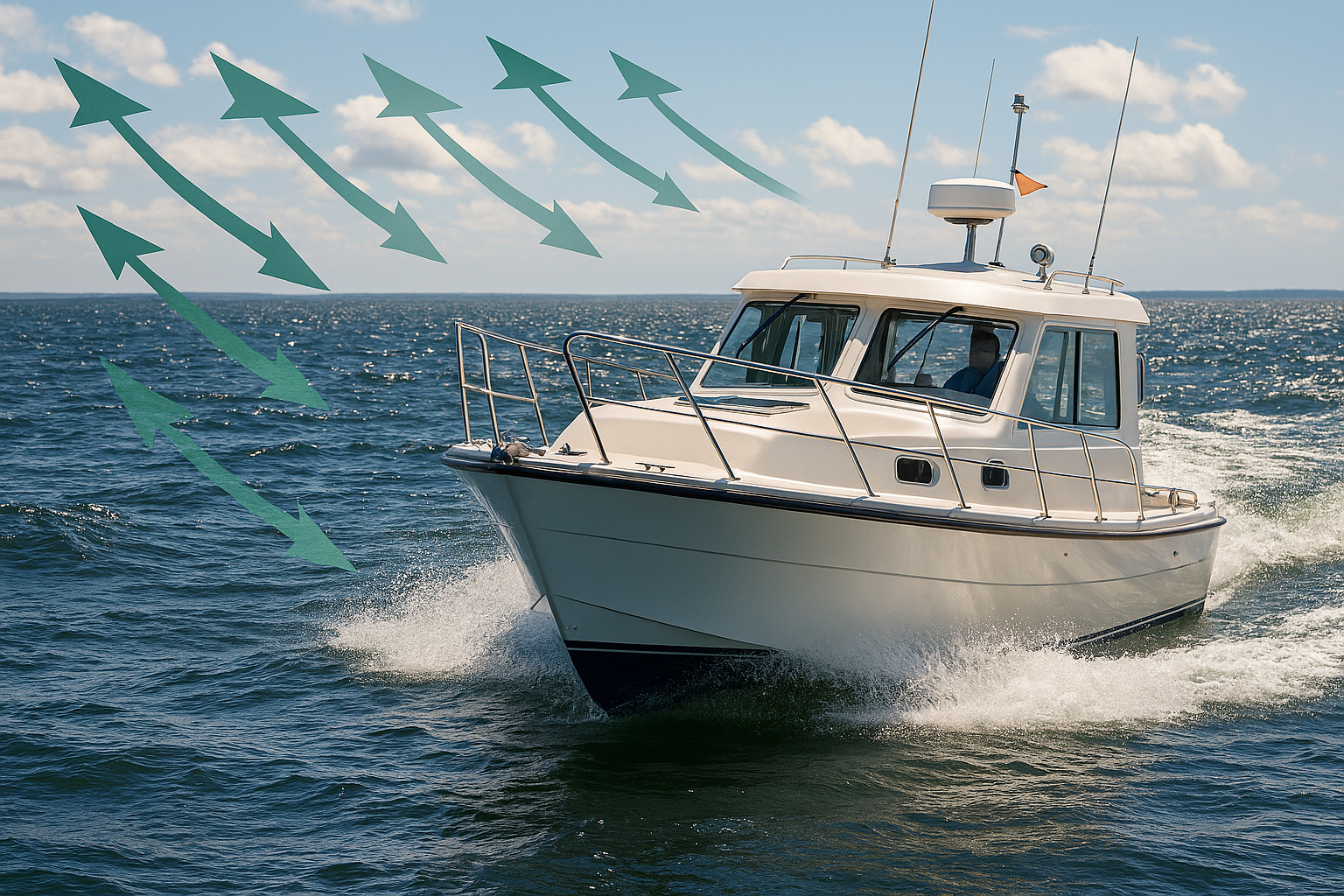
Wind, Water, and Wits at the Helm
Wind Factor when Navigating shapes every smart decision on the water. Therefore, skilled boaters respect wind like an opinionated crewmate. Moreover, wind changes speed, angle, and attitude without warning. Because conditions shift quickly, judgment matters more than horsepower. Consequently, boaters who read wind early avoid embarrassment later.
Like driving a car, if we pay no attention to its curves, we end up somewhere that only a tow truck can get us out of! Do we consider rain and snow while driving our cars? I’m sure you have felt the wind before on the highway. Boating is no different. One has to accept the challenges nature sends our way and apply it to the overall plan.
Confidence grows when awareness replaces guesswork. Meanwhile, understanding wind creates smoother rides and calmer passengers. Instead of fighting nature, seasoned captains work with it. Ultimately, wind rewards preparation and punishes arrogance.
Reading the Invisible Opponent
Wind rarely announces intentions. However, surface ripples whisper useful clues. Additionally, drifting clouds hint at upcoming gusts. Because flags, smoke, and waves reveal patterns, observant captains gain advantages. Consequently, smart boaters scan constantly, not occasionally.
The Beaufort Scale can help us with the clues the water gives us. The scale explains the likely signs the water shows in relation to wind speeds. Having binoculars or a handheld telescope are not used only in Hollywood movies. That came from “reading” the clues way ahead of our heading. Answering the question of “what lies ahead” or “what is nature throwing our way”?
Wind direction affects turning, docking, and stopping. Therefore, helmsmen plan maneuvers before touching throttles. Moreover, crosswinds demand earlier corrections. Instead of late reactions, proactive adjustments keep boats aligned.
Experience sharpens perception over time. Meanwhile, new boaters should slow down and watch longer. Because patience prevents panic, deliberate movement beats rushed bravado.
Wind Factor when Navigating and Boat Handling
Wind Factor when Navigating changes how boats behave near docks. Therefore, wind pushes high sides like sails. Additionally, bow and stern react differently to gusts. Because prop wash fights wind poorly, timing matters.
Approach docks from upwind whenever possible. Consequently, wind slows forward motion naturally. Moreover, controlled momentum replaces frantic throttle bursts. Instead, gentle power and steering finesse deliver cleaner landings.
Lines deserve respect during windy approaches. Meanwhile, prepared dockhands reduce chaos. Because communication matters, clear commands beat shouted guesses. Stay calm and everyone will stay calm. Panic and everyone will panic. Be a leader.
Small Adjustments That Prevent Big Problems
Trim adjustments help counter wind effects. Therefore, trimming down improves bow bite. Additionally, weight placement stabilizes tracking. Because balance affects response, shift passengers deliberately.
Speed control matters more than raw power. Consequently, moderate throttle keeps steering authority. Moreover, slower speeds allow correction time. Instead of racing gusts, boaters ease through them.
Situational awareness keeps stress low. Meanwhile, scanning traffic prevents surprises. Because wind amplifies mistakes, margin matters. You must develop the “Captain’s Stare”. Always looking a thousand feet ahead. Plenty of room to make a correction or even stop.
Mastering Wind Factor when Navigating with Confidence
In Conclusion:
Mastering Wind Factor when Navigating separates calm captains from frazzled amateurs. Therefore, confidence grows through repetition and reflection. Moreover, each windy outing teaches subtle lessons. Because learning never stops, humility improves outcomes.
Practice builds instincts that charts cannot teach. Consequently, regular training sharpens reactions. Additionally, reviewing mistakes accelerates progress. Instead of blaming conditions, effective boaters adapt strategies. Almost every forecast includes wind speeds and direction, check out our friends at NOAA Zone Area Forecasts.
Respect wind yet never fear it. Meanwhile, preparation replaces anxiety with control. Because confidence spreads to passengers, leadership shows. Finally, mastery turns wind from enemy into ally.
Become a better boater by reading some more Boaters Blogs on our site.