Call: 1-800-832-7191
Teaching Teens to Boat: A Guide for Parents and Instructors
May 6, 2026
Teaching Teens to Boat: A Guide for Parents and Instructors
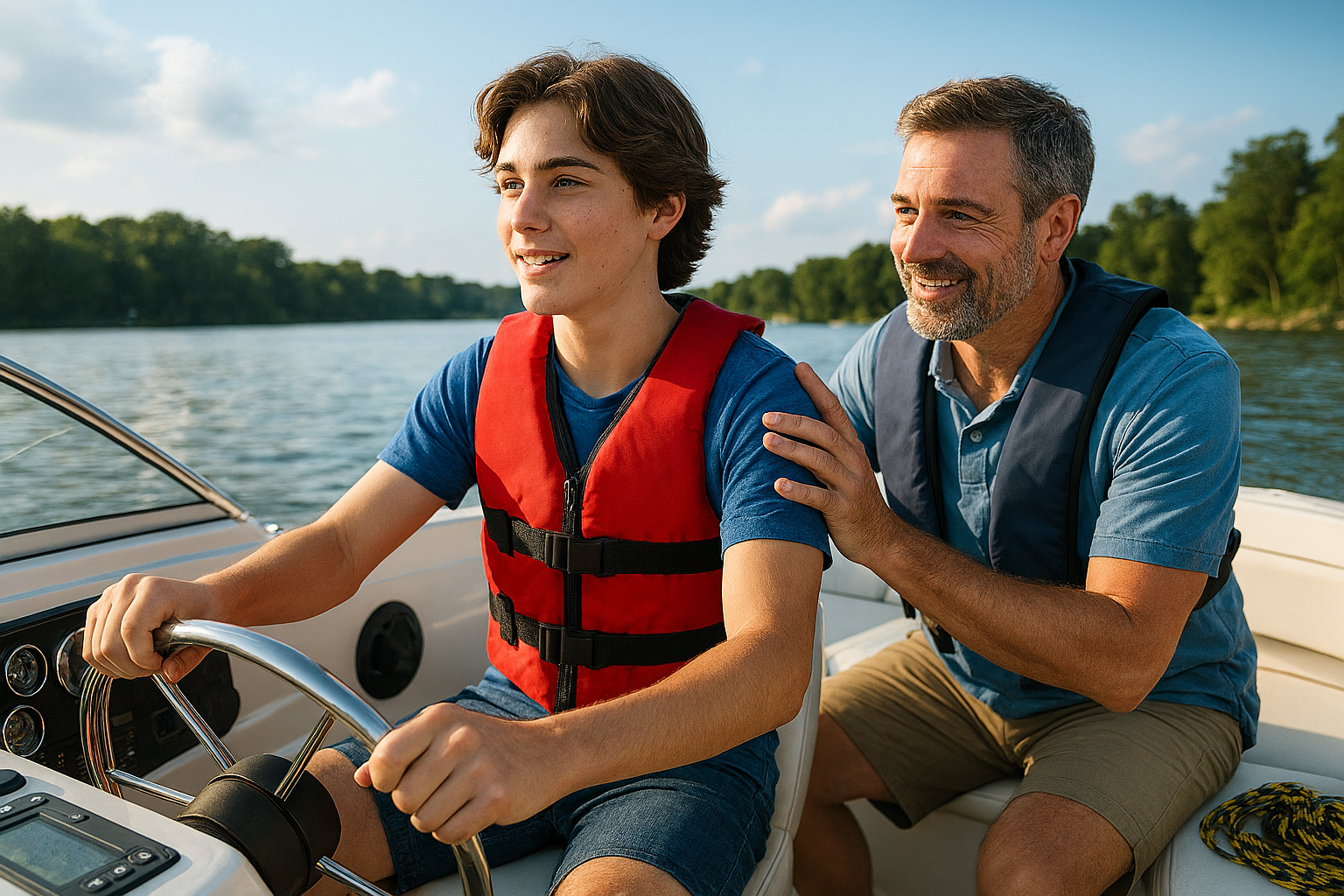
Teaching Teens to Boat: A Guide for Parents and Instructors sounds simple, until your teen grabs the throttle like it owes them money. Still, with the right mindset and a sense of humor, you can turn chaos into confidence. Moreover, teaching teens to boat builds responsibility, patience, and teamwork. However, it also tests your sanity in new and creative ways. Therefore, prepare to laugh, coach, be patient, and occasionally take a deep breath while gripping a rail.
Teen boaters bring curiosity, energy, and bold decision-making. Hence, you must set clear expectations from day one. At the same time, you should encourage questions and hands-on learning. Meanwhile, safety stays your top priority, even during lighthearted moments. Because confidence grows with experience, early guidance shapes long-term habits. Ca p off your instruction by enrolling your teen into an approved and sanctioned boating education course recognized by the USCG.
Teaching Teens to Boat: A Guide for Parents and Instructors Begins with Safety
Safety talks rarely excite teens, yet they save lives. Therefore, start every lesson with life jackets, emergency gear, and basic rules. Next, explain why each item matters instead of listing boring facts. For example, teens understand faster when they see real scenarios.
Additionally, demonstrate how to use a horn, radio, and fire extinguisher. Then, let them practice until the motions feel natural. However, resist the urge to correct every small mistake immediately. Instead, choose key teaching moments to reinforce lessons.
Also, review navigation rules in simple terms. Because teens process visuals quickly, use diagrams or on-water examples. Meanwhile, keep sessions short to maintain attention. As a result, your teen absorbs more without mental overload.
Building Skills Without Building Frustration
Teens learn faster when they stay engaged, not overwhelmed. Therefore, break tasks into small, manageable steps. First, teach steering before docking. Then, add throttle control once they gain comfort.
Moreover, celebrate small wins often. For instance, praise a smooth turn or steady speed control. Consequently, confidence grows and frustration fades. On the other hand, constant criticism shuts down learning quickly.
Because teens love independence, assign ownership early. For example, let them handle pre-departure checks. Meanwhile, supervise quietly without hovering. As a result, they feel trusted and capable.
However, expect mistakes along the way. When errors happen, stay calm and constructive. Then, explain what went wrong and how to fix it. Eventually, your teen develops problem-solving skills that extend beyond boating.
Teaching Teens to Boat: A Guide for Parents and Instructors Encourages Communication
Communication matters as much as boat handling skills. Therefore, establish clear commands and signals before leaving the dock. For example, agree on simple phrases for speed changes or direction.
Meanwhile, listen carefully when your teen speaks. Because they often think differently, their ideas might surprise you. Additionally, open dialogue builds trust and reduces tension on the water.
However, avoid sarcasm during instruction. Although humor helps, clarity must come first. Then, use light jokes after completing tasks successfully. As a result, the learning environment stays positive and relaxed.
Also, encourage questions at any time. When teens ask “why,” provide clear and honest answers. Consequently, they feel respected and more invested in learning. Over time, communication improves both safety and enjoyment.
Keeping It Fun While Teaching Responsibility
Fun keeps teens coming back to the helm. Therefore, mix lessons with enjoyable activities like tubing or exploring coves. However, tie each activity to a learning goal. For example, practice speed control while towing responsibly.
Additionally, introduce friendly challenges. For instance, see who can dock with the least corrections. Meanwhile, keep expectations realistic and supportive. As a result, competition stays healthy and motivating.
Because responsibility grows with practice, assign meaningful roles. Let your teen manage lines, anchors, or navigation tasks. Then, gradually increase complexity as skills improve. Consequently, they feel proud of their progress.
Moreover, share stories from your own boating mistakes. Teens appreciate honesty and real-life lessons. Meanwhile, laughter turns those stories into memorable teaching moments. Ultimately, your bond strengthens along with their skills.
Teaching Teens to Boat: A Guide for Parents and Instructors requires patience, humor, and consistency. Although challenges will arise, progress comes with time and practice. Therefore, stay supportive and flexible throughout the process. Because every teen learns differently, adapt your teaching style as needed.
In the end, you gain more than a capable young boater. You build confidence, responsibility, and lasting memories together. So, take a deep breath, enjoy the ride, and embrace the occasional splash of chaos.
Did you enjoy this blog…take me back to the Blog Page!