Call: 1-800-832-7191
Holiday Boating
June 30, 2026
Holiday Crowds, Cold Drinks, and Hot Mistakes on the Water
Summer holidays bring excitement, family gatherings, and crowded waterways. Holiday Boating often tops the activity list for many families. People launch boats, visit waterfront restaurants, and enjoy long days outside. However, busy weekends also create serious safety challenges. Crowded lakes and channels, alcohol use, and inexperienced operators increase risks quickly. Smart preparation helps everyone enjoy a safer day on the water. At Connecticut Boating Certificates LLC we always preach smart boating.
Why Holiday Boating Attracts Crowds
Major holidays draw thousands of people to lakes, rivers, and coastal areas. Many families schedule vacations around long weekends. Additionally, warm weather encourages first-time boaters to head out. Public boat ramps often fill early during popular holidays. Consequently, stress levels rise before the day even begins.
Many families plan Holiday Boating trips months in advance. Children look forward to tubing and swimming activities. Meanwhile, adults enjoy fishing, cruising, and waterfront celebrations. Large crowds create excitement, yet they also reduce available space. Therefore, operators must remain alert throughout the trip.
Heavy traffic affects boat handling in several ways. Larger wakes rock smaller vessels unexpectedly. Furthermore, congested channels leave little room for mistakes. New operators sometimes struggle with docking and navigation. As a result, minor errors can quickly become costly accidents. Experience and patience make a significant difference. Stay calm and remember your training and practice.
The Dangerous Mix of Alcohol and Boating
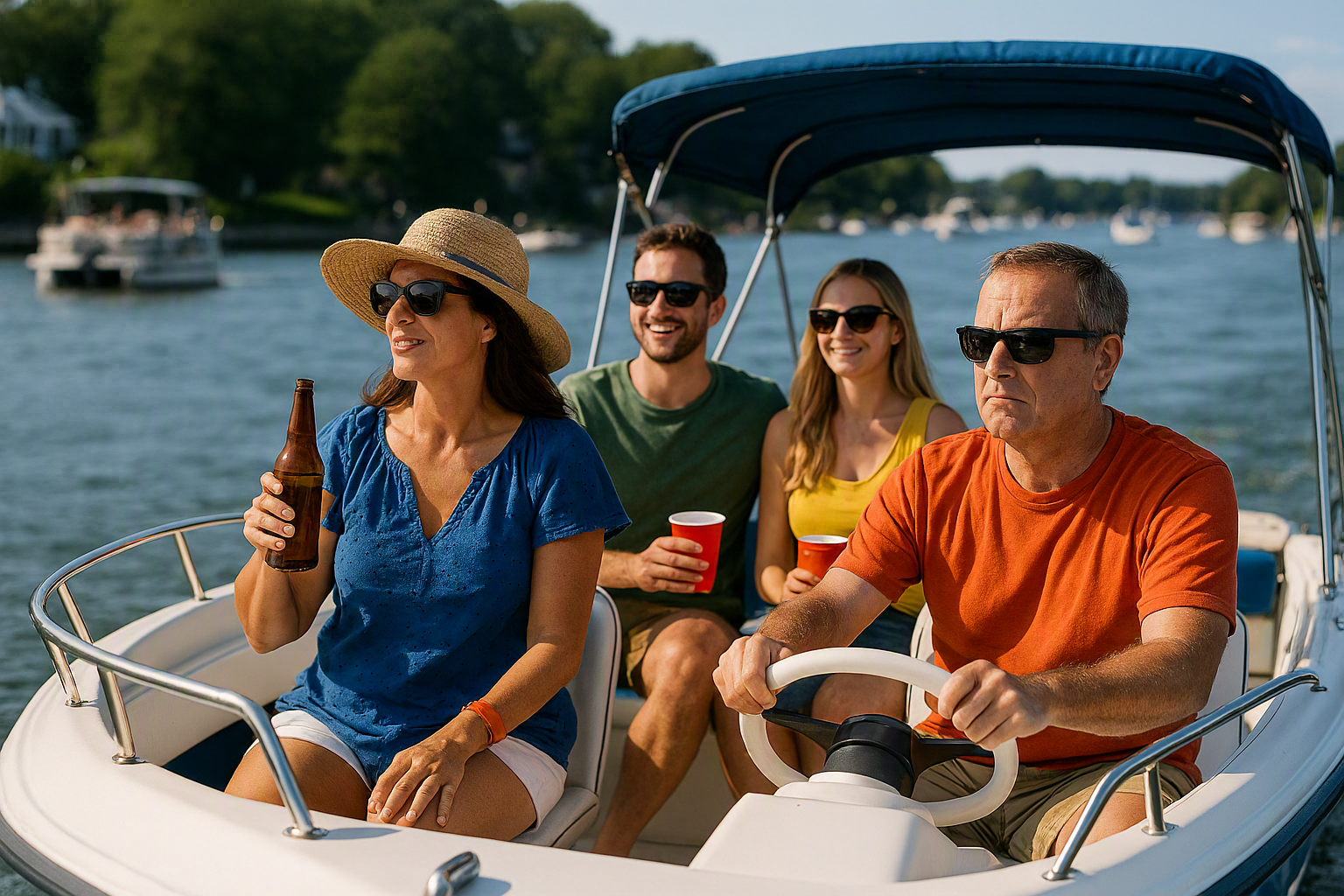
Many people associate holidays with cookouts and cold beverages. Unfortunately, some boaters bring that mindset onto the water. Alcohol affects judgment, reaction time, balance, and coordination. Moreover, sun, wind, and motion intensify those effects. These are what’s called boating stressors. Impaired operators place everyone nearby at risk. Remember it is okay for a passenger to have a drink but NOT the operator.
A boat requires constant attention and decision-making. Operators must monitor traffic, weather, and navigation markers. However, alcohol reduces a person’s ability to process information. Poor decisions often follow reduced awareness. Consequently, collisions and other incidents become more likely. As the operator, you must be on your best game.
Passengers also face risks when drinking excessively. Someone may lose balance and fall overboard. Additionally, intoxicated passengers may ignore important safety instructions. Life jackets help, yet smart behavior remains essential. Therefore, responsible choices protect everyone onboard. Remember that you the operator are responsible for your passengers’ actions. If they are acting rude, offensive, or unruly, you get the ticket not the passenger.
Law enforcement agencies patrol heavily during holiday weekends. Officers watch for reckless operation and impairment. Furthermore, boating under the influence carries serious penalties. Fines, arrests, and criminal charges can follow poor decisions. Nobody wants a holiday memory that starts in a jail cell.
Designating a sober operator remains one of the smartest boating decisions. That choice protects passengers and other boaters alike. Meanwhile, everyone can still enjoy the day responsibly. Safe boating and alcohol simply do not belong together.
Inexperienced Boaters Face Unique Challenges
Holiday weekends often attract many first-time operators. Some recently purchased boats without much practice. Others borrow vessels from friends or relatives. Consequently, unfamiliar equipment creates avoidable problems.
Launching and retrieving a boat requires skill and patience. New operators sometimes rush through the process. However, rushing often leads to mistakes at crowded ramps. Delays can frustrate everyone nearby. Therefore, preparation before arrival helps reduce stress.
Navigation creates another challenge for beginners. Waterways contain markers, hazards, and local rules. Additionally, changing conditions require constant awareness. Many newcomers focus only on the boat ahead. As a result, they miss important surroundings.
Weather also catches inexperienced boaters by surprise. Conditions can change quickly during summer afternoons. Meanwhile, strong winds can build rough water rapidly. Small craft may struggle in those conditions. Therefore, operators should monitor forecasts carefully.
Training improves confidence and safety on the water. Boating education teaches navigation, emergency procedures, and regulations. Furthermore, practice helps develop good habits. Experienced boaters learn from repetition and observation. New operators benefit greatly from that knowledge. Here is a great article from Sportsman Boating regarding the holiday boating.
Holiday Boating Requires Smart Decisions
Successful Holiday Boating starts long before leaving the dock. Operators should inspect safety equipment before departure. Additionally, they should confirm fuel levels and weather conditions. A simple predeparture checklist prevents many common problems. Preparation creates a smoother experience for everyone.
Life jackets deserve special attention during busy holidays. Every passenger should have an appropriate fitting jacket available. Moreover, children should wear them consistently. Emergencies happen quickly on the water. Therefore, immediate access to flotation matters greatly.
Courtesy also improves safety during crowded weekends. Boaters should respect no-wake zones and local regulations. Furthermore, operators should maintain safe speeds near other vessels. Patience reduces conflict and confusion. Good manners often prevent dangerous situations.
Communication plays an important role as well. Passengers should understand basic safety expectations. Meanwhile, operators should explain emergency procedures before departure. Clear instructions help everyone respond effectively. Consequently, crews feel more confident and prepared.
Holiday weekends should create great memories, not preventable accidents. Responsible operators protect their passengers and fellow boaters. Additionally, sober decision-making supports every safety plan. Education, preparation, and patience remain valuable tools. When boaters use those tools wisely, everyone enjoys a safer and more enjoyable holiday on the water.
Did you enjoy this blog? Read more on our Boaters Blog Page