Call: 1-800-832-7191

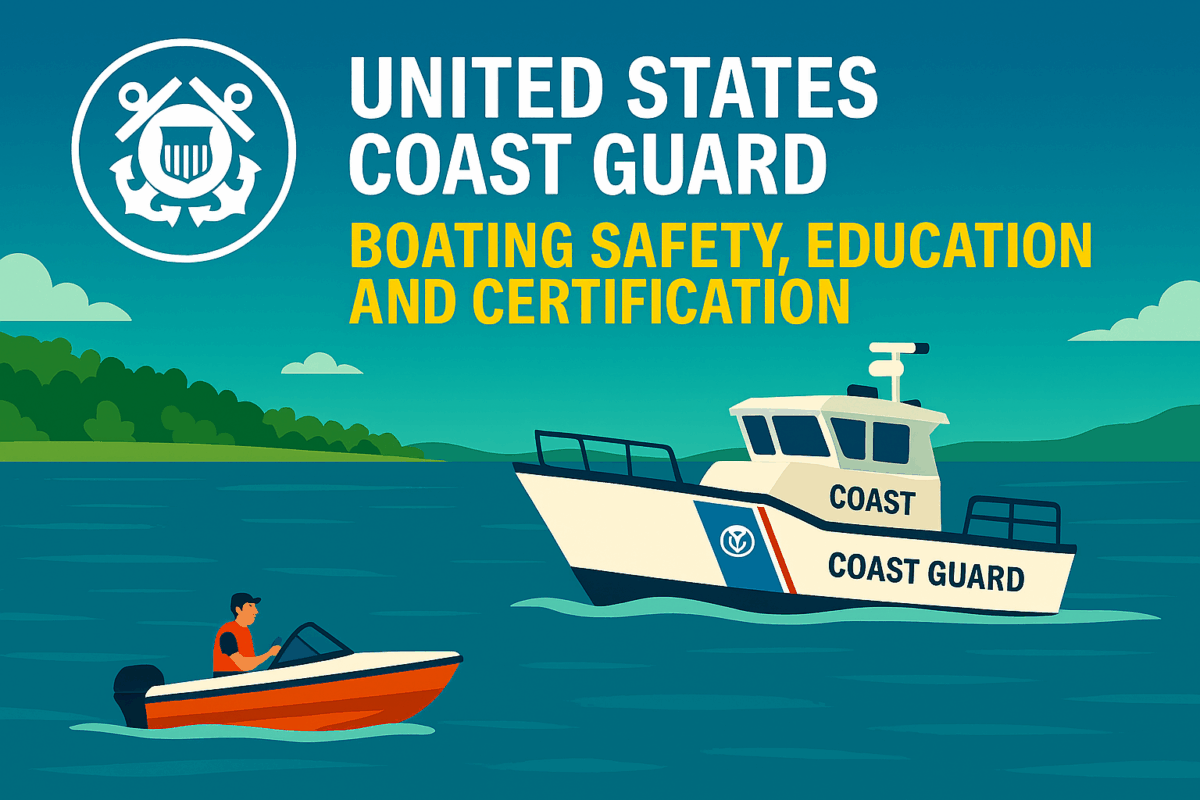
USCG Catastrophic Incident Training
USCG Catastrophic Incident Training: Building Preparedness Through Effective Learning
Preparedness remains an essential part of any emergency response effort. USCG Catastrophic Incident Training highlights the importance of developing knowledge, improving coordination, and strengthening response capabilities through structured learning opportunities. Whether individuals participate in exercises, workshops, or educational programs, training helps create a foundation for informed decision-making. Furthermore, preparation encourages confidence and promotes a proactive approach when facing complex situations.
Organizations often rely on training to strengthen operational readiness. As a result, participants gain valuable experience in communication, coordination, and problem-solving. In addition, training environments allow individuals to practice important skills before real-world challenges arise. Therefore, learning programs continue to play a vital role in building effective and capable teams.
Understanding USCG Catastrophic Incident Training
Emergency preparedness requires consistent effort and ongoing development. In that context, USCG Catastrophic Incident Training serves as an example of how organizations can promote readiness through education and practice. Rather than waiting for challenges to occur, teams can prepare in advance through structured learning experiences.
Training programs often focus on communication, planning, and collaboration. Meanwhile, participants learn how various responsibilities connect within larger response efforts. Because preparation supports confidence, individuals often perform more effectively after completing relevant training activities.
Strong educational programs also encourage continuous improvement. Consequently, organizations can identify opportunities for growth while reinforcing effective practices. This approach promotes a culture focused on readiness and professional development.
The Importance of Emergency Preparedness
Preparedness helps organizations respond more effectively when unexpected situations arise. For example, training can strengthen decision-making skills and improve operational awareness. Furthermore, participants often learn valuable techniques that support teamwork and cooperation.
Organizations benefit when personnel understand established procedures. Likewise, clear expectations help reduce confusion during demanding situations. Since preparation creates familiarity, individuals can focus their attention on achieving objectives rather than interpreting responsibilities.
Effective preparedness also supports adaptability. Therefore, teams can respond to changing conditions with greater confidence and efficiency. At the same time, ongoing training encourages continuous learning and skill development. As a result, organizations maintain a stronger level of operational readiness.
USCG Catastrophic Incident Training and Team Coordination
Successful responses often depend on teamwork. Therefore, USCG Catastrophic Incident Training emphasizes the value of communication and coordination among participants. When individuals understand their roles, they contribute more effectively to shared goals.
Clear communication helps teams exchange information quickly and accurately. Moreover, coordinated efforts reduce uncertainty and improve overall efficiency. Because collaboration remains essential, many training programs place significant emphasis on teamwork and interaction.
Participants also gain experience working within structured environments. Additionally, they learn how different responsibilities support broader objectives. Consequently, training strengthens relationships while encouraging greater cooperation among team members.
Strengthening Skills Through USCG Catastrophic Incident Training
Learning opportunities help individuals expand their capabilities over time. Accordingly, USCG Catastrophic Incident Training reflects the importance of continuous development and skill enhancement. Training programs often provide practical experiences that encourage active participation and engagement.
Hands-on learning can improve understanding and retention. Likewise, realistic scenarios help participants apply concepts in meaningful ways. As a result, individuals develop stronger confidence in their abilities and responsibilities.
Regular practice also supports consistency. Therefore, participants become more comfortable using established procedures and communication methods. Meanwhile, organizations benefit from personnel who possess greater knowledge and preparedness. Consequently, ongoing training contributes to long-term success and effectiveness.
Creating a Culture of Readiness
Prepared organizations often prioritize education and continuous improvement. For that reason, training programs remain valuable tools for promoting readiness and professional growth. When individuals receive consistent opportunities to learn, they develop stronger skills and increased confidence.
Leadership plays an important role in fostering a culture of preparedness. Furthermore, supportive environments encourage participation and ongoing development. Because learning influences performance, organizations often invest significant effort in educational initiatives.
Recognition of training achievements can also motivate participants. In addition, positive reinforcement encourages continued engagement with learning opportunities. Therefore, organizations that value education often experience stronger collaboration and greater overall effectiveness.
Why USCG Catastrophic Incident Training Matters
Preparation remains one of the most important elements of organizational success. For that reason, USCG Catastrophic Incident Training represents the broader value of education, readiness, and continuous improvement. Through structured learning experiences, individuals gain knowledge that supports effective performance and informed decision-making.
Training benefits both individuals and organizations. Furthermore, it encourages teamwork, strengthens communication, and promotes professional development. Because preparedness supports confidence, participants often approach responsibilities with greater assurance and focus.
Organizations that emphasize readiness frequently develop stronger operational capabilities. In addition, consistent learning opportunities help teams remain adaptable and informed. Therefore, training serves as a key component of long-term growth and effectiveness.
Ultimately, preparedness depends on commitment, practice, and ongoing education. As individuals continue building their skills, they contribute to stronger teams and more successful outcomes. With continued focus on learning and development, organizations can create a lasting culture of readiness and excellence.