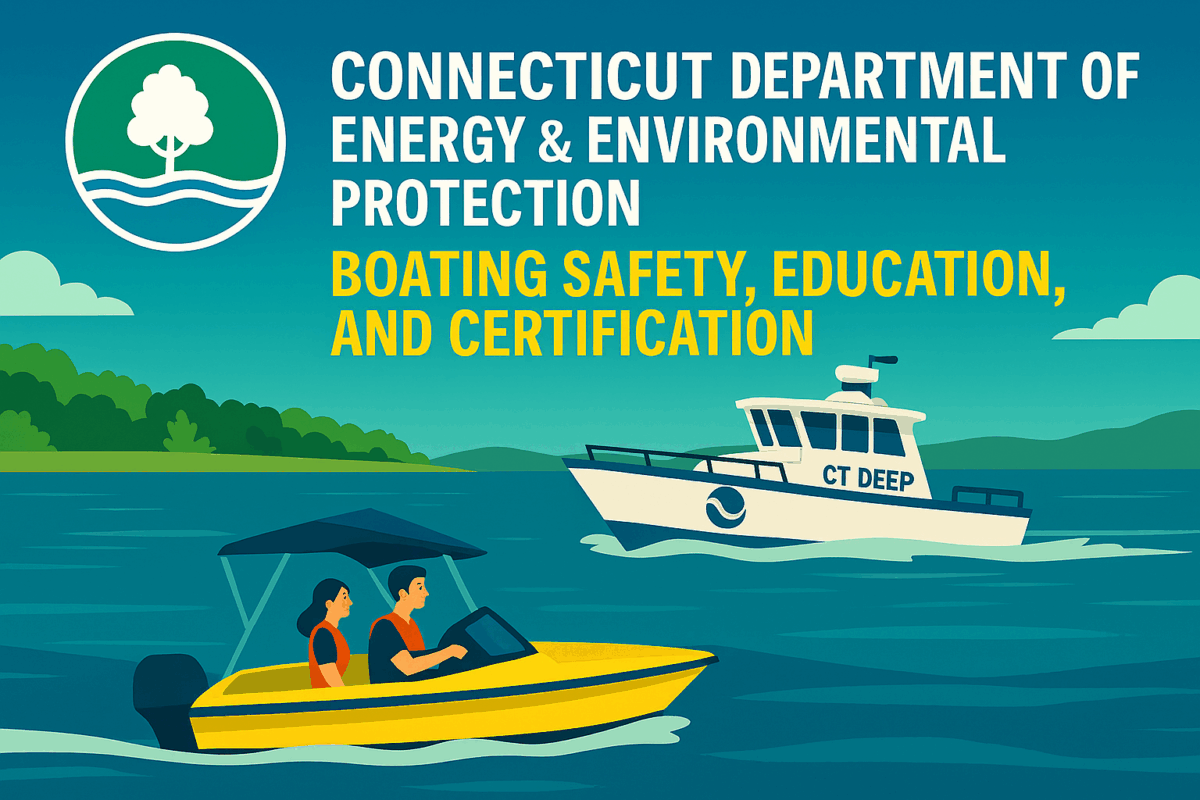
A scenic image of Connecticut boaters practicing safe boating under CT DEEP guidelines, showcasing education, certification, and responsible waterway use. What Is the CT DEEP Student Ambassador Program? The CT DEEP Student Ambassador Program empowers students to promote safe boating and environmental awareness in their communities. Participants earn their Certificate of Personal Watercraft Operation and complete a research project. They also present their findings publicly, gaining valuable communication experience. Because the program offers school credit, it supports both academic and civic growth. Program Benefits and Goals Students develop leadership skills while advocating for responsible boating practices. They also learn about Connecticut’s natural resources and environmental policies. Through hands-on projects, ambassadors engage with local communities. As a result, they build confidence and inspire others to boat safely and sustainably. How to Participate Eligible students apply through the Connecticut Department of Energy and Environmental Protection (DEEP). Once accepted, they receive guidance from DEEP staff and complete their projects during the boating season. Although the program is competitive, it remains accessible to motivated students statewide. Interested applicants should contact DEEP for upcoming opportunities. Why the CT DEEP Student Ambassador Program Matters The CT DEEP Student Ambassador Program fosters environmental stewardship and boating safety. It prepares students for future leadership roles. Understanding the CT DEEP Student Ambassador Program helps families and educators support youth involvement in conservation. Learn more at CT DEEP Boating. What Is the CT DEEP Water Skiing Endorsement? The CT DEEP Water Skiing Endorsement is required to tow skiers, tubes, or wake riders on Connecticut waters. Operators must be at least 16 years old and possess a valid boating certificate or Coast Guard license. Because safety matters, this endorsement ensures proper training and legal compliance. How to Earn the Endorsement Boaters can complete an online course and exam through the CT DEEP portal. After passing, the endorsement prints automatically with your boating certificate. Therefore, planning ahead helps avoid delays. Who Needs It? Anyone towing on Connecticut waters must have the CT DEEP Water Skiing Endorsement, unless grandfathered before October 1, 2015. Reciprocity applies to certificates from NY, RI, MA, and NH. Why the CT DEEP Water Skiing Endorsement Matters Understanding the CT DEEP Water Skiing Endorsement helps boaters stay compliant and protect passengers. Staying informed ensures safe, legal, and enjoyable water sports experiences. CT DEEP Clean Marina Program in Action The CT DEEP Clean Marina Program promotes pollution prevention at certified marinas across Connecticut. This image shows a marina displaying its Clean Marina certification flag. Staff are using spill kits, recycling stations, and pumpout facilities. Because environmental stewardship matters, the marina follows best practices for waste disposal and fueling. Sustainable Operations Operators in the image maintain boats responsibly, avoiding toxic cleaners and hazardous materials. They also educate boaters about clean boating habits. As a result, water quality improves. Why It Matters The CT DEEP Clean Marina Program protects Long Island Sound and other vital ecosystems. Therefore, certified marinas lead by example. Join the CT DEEP Clean Marina Program Understanding the CT DEEP Clean Marina Program helps boaters choose eco-friendly facilities. Learn more at CT DEEP Clean Marina Connecticut Boaters Education: Your First Step Toward Safe Boating Connecticut Boaters Education helps new and experienced boaters navigate state waters safely and legally. Whether you're cruising Long Island Sound or exploring inland lakes, proper training matters. This education ensures you understand local laws, safety procedures, and environmental responsibilities. With certified instruction, boaters gain confidence and avoid costly mistakes. Start your journey with a trusted course that meets Connecticut’s legal requirements. Clean Marina Program is another CT DEEP initiative More about CT DEEP Slalom Course & Jump Permit Application, Boating Accident Report, CT Boaters Guide, CT DEEP Safe Waterski Endorsement, CT DEEP Abandoned Boats, CT DEEP AIS Stamps FAQ, CT DEEP Boat Launches, CT Boaters Guide Pick Up Locations, CT DEEP Weather Tides Streamflows, CT DEEP Pump-out Facilities, CT DEEP Hull Identification Numbers, CT DEEP VHF Radio Basics, CT DEEP AIS Stamp FAQs, CT DEEP "If Found Sticker", CT DEEP Paddling in Connecticut, CT DEEP Paddle-craft Rental, CT DEEP Paddle Craft Rental, CT DEEP Rivers and Streams, Purchase Fishing License, CT DEEP Pier Fishing, CT DEEP's Boating Division, CT DEEP DUI BUI, CT DEEP Transient Boaters, CT DEEP Online Sportsman, DEEP Conserving Brook Trout, DEEP Conserving Brook Trout initiative, CT DEEP Boating Incidents, CT DEEP Forms & Publications, CT DEEP Pumpout Facilities, CT DEEP March Job Fair, CT DEEP March Job Fair, CT DEEP Wake Boat Study, CT DEEP Trailering Safety, CT DEEP Forms & Publications, CT DEEP Forms & Policies, CT DEEP Blue-Green Algae, Aquatic Invasive Species, AIS, Aquatic Invasive Plants, CT DEEP Watershed Approach, CT DEEP Boating Permits, CT DEEP If Found Sticker Law, CT DEEP If Found Sticker Law, Connecticut Coastal Access Guide, CT DEEP Gwendoly Flynn, CT DEEP Blue Plan, CT DEEP Alcohol Ban, Abandoned Boats & New Fines, Connecticut Boating Statistics 2025, Peter Francis

Peter Francis

In by admin

Understanding Peter Francis

Peter Francis serves as a useful example when discussing leadership, professional engagement, and collaboration within recreational boating organizations. As boating programs continue evolving, leaders often help guide educational initiatives and community discussions. Furthermore, individuals in leadership roles frequently support efforts that encourage boating safety and public awareness. As a result, boating communities benefit from organized communication and shared objectives. Consequently, professional leadership remains an important component of long-term success.

Many boating stakeholders value leaders who promote education and cooperation. In addition, effective communication can help strengthen relationships among organizations, instructors, and recreational boaters. Through active participation and outreach, leaders often encourage broader engagement within the boating community. Therefore, leadership continues influencing many areas of recreational boating and safety awareness.

Leadership Contributions of Peter Francis

Peter Francis represents the type of leadership often associated with boating education, program development, and organizational collaboration. Because boating initiatives frequently require coordination among many groups, strong leadership can help support positive outcomes. Moreover, community engagement often benefits from thoughtful planning and communication.

Professional leaders regularly encourage participation and the exchange of ideas. Likewise, boating communities often thrive when individuals work toward common goals. By fostering cooperation and awareness, leaders can help strengthen educational efforts and recreational boating programs. Consequently, leadership remains valuable across many aspects of boating activities.

Recent Industry Recognition and News

Industry news often highlights professional accomplishments, collaborative efforts, and ongoing contributions. For this reason, boating organizations frequently recognize individuals who support education and community engagement. Additionally, public recognition can draw attention to initiatives that benefit recreational boaters and marine stakeholders.

Positive news stories often encourage continued participation and professional growth. Furthermore, recognition can inspire others to contribute to boating education and responsible boating efforts. Through shared accomplishments, organizations strengthen awareness and promote continued involvement. As a result, professional achievements often resonate throughout the boating community.

Community Engagement and Peter Francis

The role of Peter Francis provides useful context for discussing community engagement and organizational involvement. Because boating programs rely upon cooperation and participation, leaders often help build connections among various groups. Moreover, collaborative efforts can support educational outreach and stronger communication.

Community engagement frequently benefits from active leadership and consistent involvement. Similarly, educational programs often achieve greater success when participants work together toward shared objectives. Through communication and cooperation, boating communities can create meaningful opportunities for learning and growth. Therefore, engagement remains an essential element of boating advocacy.

Supporting Boating Education

Boating education continues serving as a foundation for responsible recreational boating. Accordingly, many leaders focus on programs that support learning, awareness, and safety. Educational initiatives often encourage boaters to expand their knowledge while developing practical skills. These efforts contribute to more informed boating experiences.

Training opportunities frequently help participants gain confidence and improve decision-making. Furthermore, educational programs often strengthen understanding of responsible vessel operation and boating safety. When organizations promote learning, they help support long-term community growth. Consequently, education remains a central focus within many boating initiatives.

Looking Ahead for Peter Francis and the Boating Community

Future success within the boating community often depends upon continued collaboration, education, and leadership. Therefore, Peter Francis serves as an example of how professional involvement can support communication and positive engagement. As recreational boating continues evolving, leaders frequently help guide discussions surrounding future opportunities.

Organizations, educators, and boating advocates all benefit from cooperation and shared goals. Additionally, boating safety, boating education, and community outreach remain important priorities across the marine industry. Through ongoing participation and leadership, boating communities can continue building strong connections. Ultimately, Peter Francis highlights the value of engagement, collaboration, and commitment within the broader recreational boating environment.

Discover all our site has to offer:

Connecticut Boating Certificates Upcoming Courses

Testimonials Archive – Connecticut Boating Certificates LLC

Connecticut Boating Certificates LLC Boaters Blog

The Helm for all boaters CT DEEP, NASBLA, NOAA, USCG, WSIA

Connecticut Safe Boating Class FAQs

Contact Us at Connecticut Boating Certificates LLC