Call: 1-800-832-7191
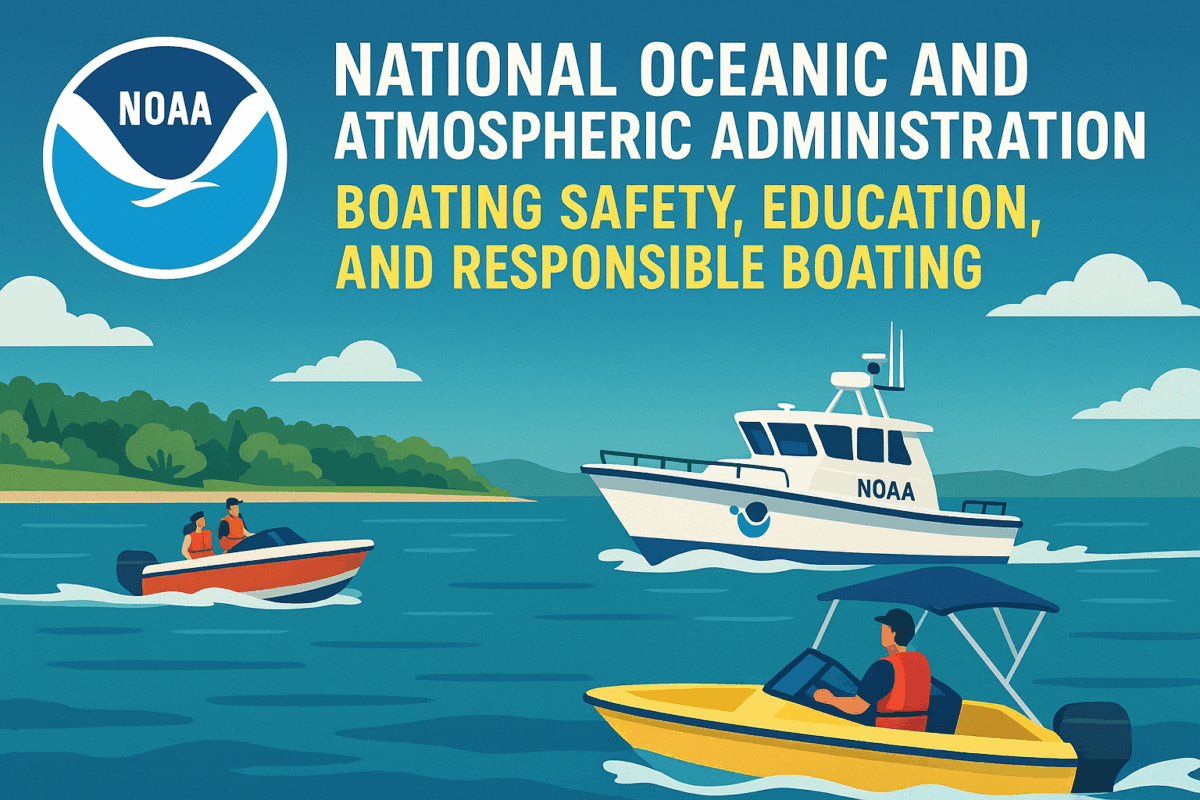
NOAA and the NWS
Boaters across the United States rely heavily on NOAA and the NWS, especially when preparing for changing marine conditions and unpredictable weather systems. This description highlights their crucial role in protecting recreational boaters, improving maritime decision‑making, and delivering timely alerts that help operators stay safe on the water.
Reliable forecasts guide responsible boating, and mariners consistently depend on the agencies that monitor coastal and inland environments. Although weather patterns shift rapidly, boaters navigate more confidently when they understand how professional meteorologists evaluate storms, wind trends, tides, and visibility. Furthermore, accurate predictions reduce last‑minute risks that commonly lead to incidents during active boating seasons.
Modern technology enhances this reliability, and advanced radar systems help predict severe conditions with incredible precision. As forecasting tools continue to evolve, boaters gain earlier warnings about potential hazards such as squalls, thunderstorms, or rapidly forming low‑pressure systems. Moreover, improved communication systems distribute alerts faster than ever before, reaching mariners through apps, radios, and automated warning networks.
Local boating communities benefit significantly when they access clear information provided by meteorological experts. Because small craft can be vulnerable to sudden wind changes, operators rely on alerts to avoid dangerous conditions. Additionally, early planning reduces stress and helps ensure every trip begins with strong awareness of weather expectations.
The Importance of these two for Boaters
Marine forecasts play a crucial role in reducing boating accidents, and operators use these tools to evaluate wave height, wind speed, and overall stability. Since NOAA scientists analyze satellite imagery and buoy data, boaters receive trustworthy insight into incoming conditions. Moreover, these predictions help them avoid areas prone to rough seas or unexpected turbulence.
Tidal information also supports safe navigation, especially in coastal regions where depth varies throughout the day. Because fluctuating water levels affect docks, channels, and shallow zones, mariners monitor charts to ensure their routes remain safe. Additionally, accurate tide tables prevent accidental groundings and keep operators clear of hazardous sandbars or submerged obstacles.
Storm warnings serve as another critical component of safe boating, and the NWS issues alerts that provide operators with vital reaction time. Since storms can develop quickly, these notifications allow boaters to adjust course, return to port, or delay their departure. Furthermore, captains reduce risk when they use official advisories rather than relying on visual observation alone.
Seasonal patterns influence boating behavior, and weather agencies help mariners understand how conditions shift throughout the year. Because temperature, humidity, and wind differ between seasons, forecasts help boaters adapt their plans. Additionally, operators who monitor seasonal advisories bolster their safety by anticipating common hazards such as dense fog, tropical storms, or early winter cold fronts.
How NOAA and the NWS Support Safer Waterways
Marine forecasts provide detailed information that improves decision‑making for both new and experienced boaters. Since comprehensive data reduces uncertainty, operators feel more equipped to respond to sudden changes. Additionally, early awareness promotes smoother sailing and more enjoyable trips.
Educational programs often incorporate these weather resources, and instructors emphasize the importance of checking conditions before leaving the dock. Because weather is one of the leading factors in boating incidents, strong preparation remains one of the easiest ways to prevent emergencies. Moreover, course providers teach students how to interpret marine forecasts, understand hazard symbols, and react efficiently to warnings.
Navigation planning becomes more effective when boaters integrate weather data into their preparation routines. Since wind and waves influence fuel consumption, comfort, and route safety, operators use forecasts to choose suitable travel windows. Furthermore, experienced mariners calculate their timing based on tide patterns and wind direction.
Communication tools strengthen safety, and boaters depend on VHF radios to receive real‑time updates from official weather channels. Because cell service can fail in remote areas, marine radios remain one of the most dependable ways to receive urgent alerts. Additionally, NOAA Weather Radio broadcasts continuous updates that help operators stay informed, even during rapidly changing conditions.
Environmental stewardship also connects directly to weather awareness, and boaters who understand climate patterns help protect fragile marine ecosystems. Since sudden rainstorms can create runoff that affects water quality, operators remain mindful of their surroundings and avoid disturbing vulnerable areas. Moreover, they adjust their speed or course to reduce ecological impact during severe weather.
Ultimately, mariners thrive when they combine strong judgment with reliable information. As NOAA and the NWS continue enhancing forecasting tools and communication systems, boaters gain confidence and clarity on every trip. Furthermore, responsible operators who monitor these resources contribute to safer waterways and better boating experiences for everyone.