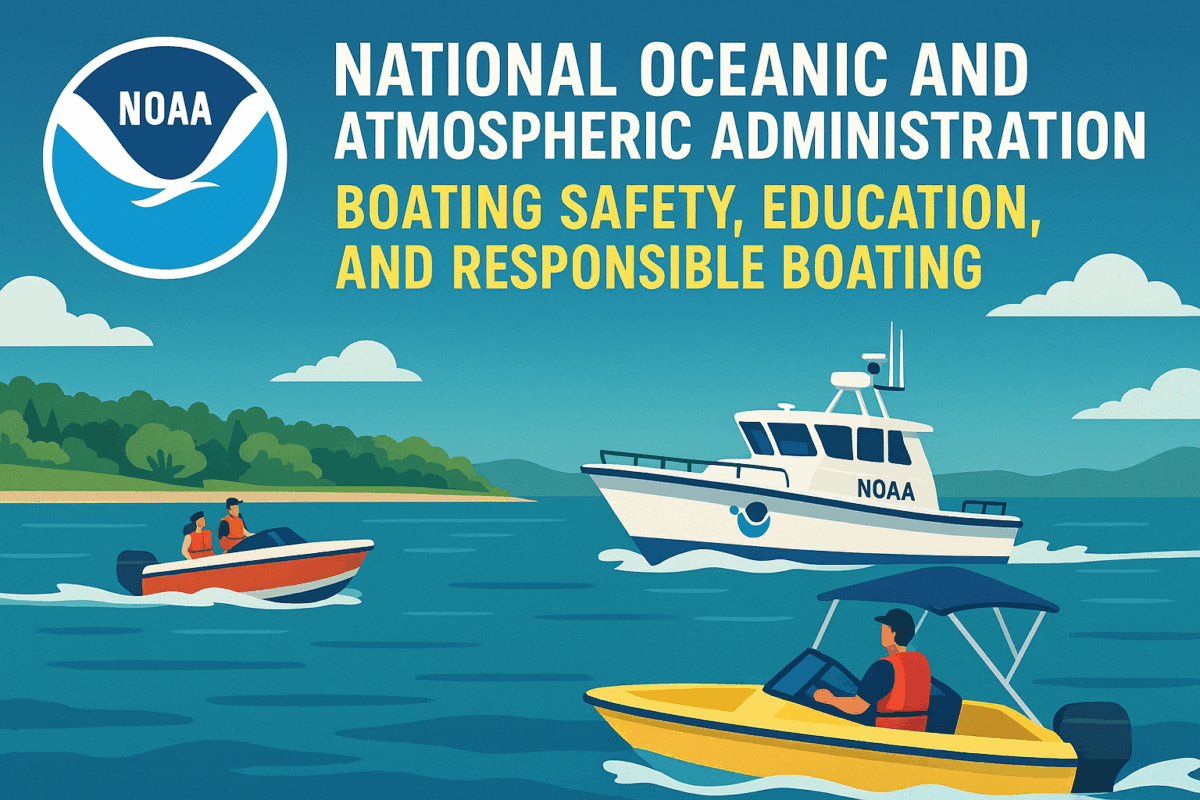
A NOAA patrol vessel monitoring coastal waters, promoting boating safety, education, and certification for responsible and smart boating practices. NOAA Long Island Sound Nautical Charts Overview The NOAA Long Island Sound Nautical Charts image displays detailed electronic chart data for safe navigation across coastal waters. Chart features include depth contours, shoreline details, and aids to navigation. Because accuracy matters, these charts support both recreational and commercial mariners. Navigational Safety Mariners in the image use NOAA ENCs to avoid hazards and plan efficient routes. Real-time positioning enhances safety. As a result, grounding risks decrease. Charting Technology The image highlights NOAA’s shift from paper charts to digital formats. Therefore, users benefit from weekly updates and customizable layouts. Using NOAA Long Island Sound Nautical Charts Understanding NOAA Long Island Sound Nautical Charts helps boaters navigate confidently. Learn more at NOAA Marine Navigation NOAA Chart Number One Overview The NOAA Chart Number One image displays a reference guide showing nautical chart symbols, abbreviations, and terms. It includes side-by-side comparisons of paper and electronic chart symbology. Because clarity matters, this chart helps mariners interpret navigation data accurately. Symbol Reference in Action Mariners in the image use NOAA Chart Number One to identify buoys, depth contours, and restricted areas. As a result, navigation becomes safer. Educational Utility The image highlights how students and instructors use the chart for training. Therefore, it supports both recreational and professional learning environments. Why NOAA Chart Number One Matters Understanding NOAA Chart Number One improves chart reading skills. Learn more at NOAA Chart No. 1. NOAA’s Interactive Global Charts Overview The NOAA’s Interactive Global Charts image displays a digital world map with layered nautical data and real-time satellite overlays. Users can zoom, pan, and select regions to access detailed chart information. Because accuracy matters, the system supports safe navigation and environmental monitoring. Real-Time Data Access Mariners in the image use NOAA’s Interactive Global Charts to view updated ENC data, weather overlays, and oceanographic conditions. As a result, voyage planning improves. Charting Innovation The image highlights NOAA’s shift to digital navigation tools. Therefore, users benefit from weekly updates and customizable chart formats. Why NOAA’s Interactive Global Charts Matter Understanding NOAA’s Interactive Global Charts enhances safety and efficiency. Learn more at NOAA Interactive Catalog. NOAA Coast Pilot Overview The NOAA Coast Pilot image shows a mariner referencing a printed volume alongside electronic charts on a navigation console. The book includes channel descriptions, tide data, and federal regulations. Because accuracy matters, the Coast Pilot supplements nautical charts with critical details. Navigational Support Mariners in the image use the NOAA Coast Pilot to verify bridge clearances and anchorage locations. As a result, voyage planning improves. Historical Significance The image highlights the Coast Pilot’s 200-year legacy. Therefore, it remains a trusted resource for coastal navigation. Why NOAA Coast Pilot Matters Understanding the NOAA Coast Pilot enhances safety and compliance. Learn more at NOAA Coast Pilot. NOAA Homepage Overview The NOAA Homepage image displays a vibrant dashboard featuring weather, climate, ocean, satellite, and fisheries data. Navigation menus highlight NOAA’s mission areas. Because accessibility matters, the homepage offers quick links to forecasts, research, and educational resources. Interactive Features Users in the image explore the NOAA Homepage to access flood mapping tools, hurricane updates, and marine charting services. As a result, decision-making improves. Public Engagement The image shows students, scientists, and boaters using NOAA’s site for learning and planning. Therefore, it supports diverse communities nationwide. Why the NOAA Homepage Matters Understanding the NOAA Homepage helps users stay informed. Visit NOAA.gov for more subjects like NOAA Weather Radio, NOAA Education, BLA Organizations, NOAA 8 Boating Safety Tips, NOAA Be Kind to Nature, NOAA Coast Pilot Books, NOAA Electronic Navigational Charts, NWS Video Library, Climate Data Online, Do We Need Lighthouses, NOAA Blue IQ, Ocean to Atmosphere, Women of NOAA, NOAA Sanctuaries, The Best Weather Website, NOAA Marine Debris Program, NOAA Interactive Maps, ADVs, NOAA's Explainers, NOAA’s SWFO-L1 observatory, NOAA's Wildest Missions, NOAA's Climate Q&A, NOAA Sail Drones, NOAA Planes Inside Hurricanes, NOAA Charting Geodetic Framework, NOAA Deep Ocean Mapping, NOAA NEON Stratus Project, NOAA and Citizen Science, NOAA Animals of the Ice, NOAA Rainforests of the Sea, NOAA AI Driven Models, NOAA Weather Safety, NOAA Origins, NOAA Marine & Aviation, NOAA and Sofar Ocean,

NOAA and Sofar Ocean

In by admin

NOAA and Sofar Ocean: Advancing Ocean Intelligence

Understanding our oceans is vital for safety, sustainability, and innovation. That’s why NOAA and Sofar Ocean have partnered to revolutionize marine data collection and forecasting. This collaboration combines NOAA’s scientific expertise with Sofar Ocean’s cutting-edge technology, creating a powerful alliance that benefits mariners, researchers, and coastal communities alike.

Why NOAA and Sofar Ocean Collaboration Matters

Ocean conditions change rapidly, and accurate data is essential for decision-making. Through this partnership, real-time information becomes more accessible than ever. Mariners can plan routes with confidence, researchers can analyze trends effectively, and emergency responders can act quickly during severe weather events. Because reliable data saves lives and resources, this initiative is a game-changer for ocean safety.

Moreover, the integration of advanced sensors and smart buoys ensures continuous monitoring. Instead of relying on outdated reports, stakeholders receive timely updates that improve navigation and reduce risks. This proactive approach strengthens resilience across global waterways.

Innovative Technology Driving Progress

NOAA and Sofar Ocean leverage state-of-the-art tools to gather and share ocean intelligence. Smart buoys equipped with sensors transmit data on currents, temperature, and wave height. These insights help predict storms, optimize shipping routes, and support climate research. By combining technology with expertise, the partnership delivers solutions that address both immediate and long-term challenges.

Additionally, the system’s scalability means more regions can benefit from enhanced monitoring. As coverage expands, communities gain better protection against hazards like hurricanes and flooding. This forward-thinking strategy promotes safety and sustainability worldwide.

Benefits for Mariners and Coastal Communities

Access to accurate ocean data empowers mariners to make informed choices. Instead of guessing conditions, they can adjust routes to avoid dangerous areas. This reduces fuel consumption, minimizes delays, and enhances overall safety. Coastal communities also benefit because improved forecasting helps authorities prepare for extreme weather events, protecting lives and property.

Furthermore, researchers gain unprecedented access to real-time data. This accelerates studies on climate change, marine ecosystems, and ocean health. By sharing knowledge openly, NOAA and Sofar Ocean foster collaboration that drives scientific progress.

How to Stay Connected with NOAA and Sofar Ocean

Engaging with this initiative is simple. You can explore updates through NOAA’s official channels or Sofar Ocean’s platform. Subscribing to alerts ensures you receive timely information that matters most. Sharing these resources with fellow mariners and community leaders spreads awareness and strengthens collective preparedness.

Because ocean safety impacts everyone, staying informed is a responsibility we all share. By leveraging these tools, you contribute to a safer and more sustainable future for our waterways.

Connecticut Safe Boating Class FAQs