Call: 1-800-832-7191

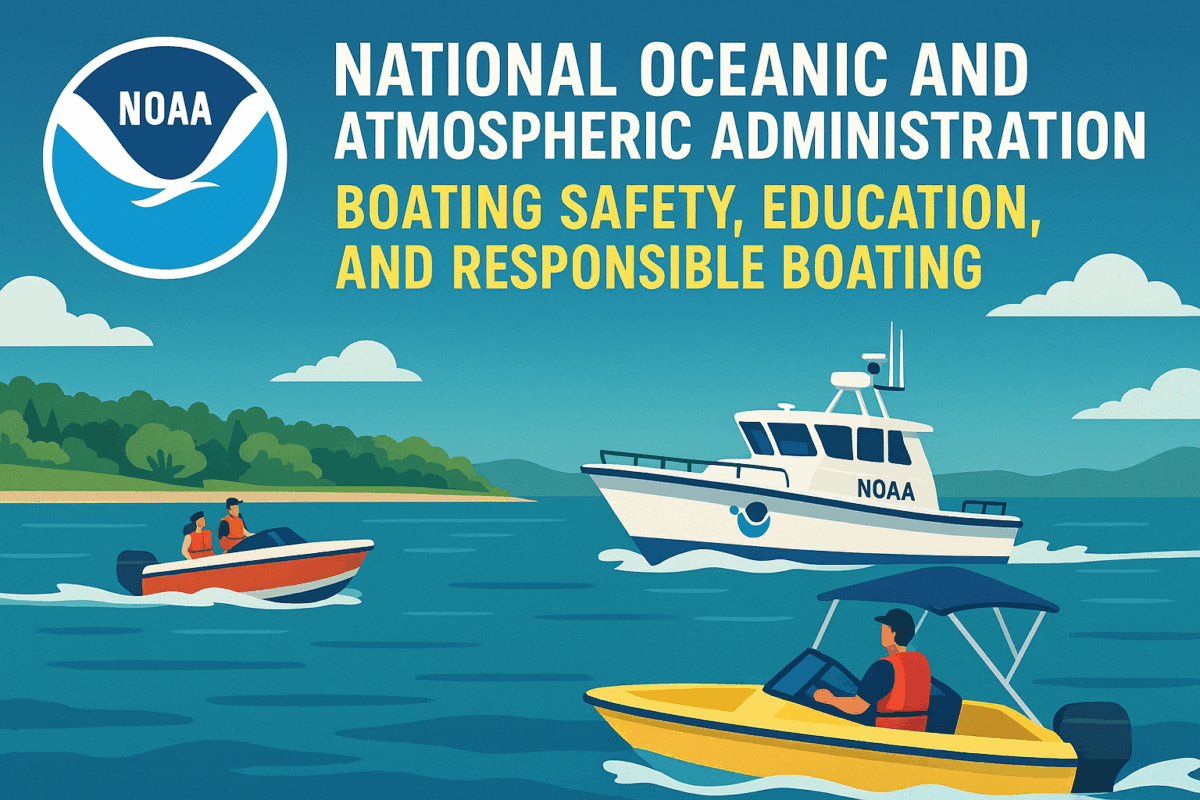
NOAA Aircraft Operations Center
NOAA Aircraft Operations Center: Supporting Coordination, Readiness, and Operational Excellence
Effective aviation operations rely on planning, communication, and continuous preparation. NOAA Aircraft Operations Center represents a professional environment where coordination, organization, and operational support work together to achieve mission objectives. Through structured processes and collaborative efforts, aviation teams can maintain readiness while supporting a variety of operational activities. Furthermore, strong planning helps organizations operate efficiently and adapt to changing requirements.
Every successful operation depends on teamwork and clear communication. As a result, organizations often invest in training, preparation, and process improvement. In addition, coordinated efforts help personnel work toward common goals with greater confidence. Therefore, operational centers remain valuable for supporting efficiency, consistency, and overall performance.
Understanding NOAA Aircraft Operations Center
Aviation operations require careful organization and attention to detail. In that context, NOAA Aircraft Operations Center serves as an example of how structured coordination can support complex activities. Rather than relying on isolated efforts, teams work together to manage responsibilities and maintain operational effectiveness.
Planning often begins long before activities take place. Meanwhile, personnel review objectives, responsibilities, and procedures to ensure alignment. Because preparation promotes consistency, teams can approach tasks with greater confidence and focus. Consequently, operations often run more smoothly and efficiently.
Effective coordination also strengthens communication. Furthermore, organized processes help personnel exchange information quickly and clearly. As a result, teams remain informed and ready to respond to changing conditions.
The Value of Aviation Support Operations
Support functions play an important role in operational success. For example, coordinated planning helps teams manage resources and maintain readiness. Additionally, organized communication supports collaboration among individuals working toward shared objectives.
Operational environments often involve multiple responsibilities. Likewise, successful outcomes depend on clear expectations and efficient coordination. Since every role contributes to overall performance, teamwork remains an essential element of effective operations.
Strong support systems encourage consistency. Therefore, organizations can maintain high standards while adapting to evolving requirements. At the same time, coordinated efforts help reduce confusion and support informed decision-making. Consequently, personnel can perform their duties more effectively.
NOAA Aircraft Operations Center and Team Collaboration
Collaboration remains a key element of operational excellence. Accordingly, NOAA Aircraft Operations Center highlights the importance of working together to achieve common goals. Teams often rely on communication, planning, and cooperation to maintain efficiency and effectiveness.
Successful collaboration encourages the sharing of knowledge and experience. Moreover, open communication helps participants understand responsibilities and expectations. Because teamwork strengthens performance, organizations often emphasize cooperation throughout daily operations.
Shared objectives create a sense of purpose. In addition, collaborative environments encourage problem-solving and innovation. Therefore, personnel can contribute valuable ideas while supporting broader operational priorities.
Building Readiness Through NOAA Aircraft Operations Center
Readiness depends on preparation, training, and continuous improvement. Therefore, NOAA Aircraft Operations Center reflects the broader importance of maintaining operational capability through organized efforts and professional development.
Training programs often support knowledge growth and skill enhancement. Likewise, ongoing practice allows personnel to strengthen their abilities and increase confidence. As a result, teams remain better prepared to perform effectively when responsibilities arise.
Preparation also supports adaptability. Furthermore, organizations that emphasize readiness can respond more efficiently to changing circumstances. Because flexibility remains important in operational environments, readiness becomes a valuable organizational objective.
Continuous learning strengthens long-term success. In addition, regular evaluations help identify opportunities for improvement and refinement. Consequently, organizations can maintain high standards while supporting future development.
Advancing Operational Excellence
Professional organizations frequently pursue excellence through planning and continuous improvement. For that reason, operational centers often focus on refining procedures and strengthening performance. When teams commit to ongoing development, they enhance both efficiency and effectiveness.
Clear goals help guide improvement efforts. Likewise, structured processes provide a foundation for consistent results. Since operational success depends on reliable performance, organizations often prioritize quality and accountability.
Leadership also contributes to excellence. Furthermore, effective leaders encourage communication, collaboration, and professional growth. As a result, teams often develop stronger skills and greater confidence in their abilities.
Positive organizational cultures reinforce improvement efforts. Therefore, personnel remain engaged and committed to shared objectives. Meanwhile, continuous learning helps support innovation and long-term success. Consequently, organizations can sustain strong performance over time.
Why NOAA Aircraft Operations Center Matters
Operational success requires preparation, communication, and collaboration. For that reason, NOAA Aircraft Operations Center represents the broader value of coordinated aviation support and organizational readiness. Through structured planning and teamwork, operational centers help maintain consistency and efficiency.
Strong communication encourages effective decision-making. Furthermore, collaborative environments enable personnel to work together toward common objectives. Because teamwork supports success, organizations continue emphasizing coordination and shared responsibility.
Readiness also remains essential for long-term performance. In addition, continuous learning and professional development help organizations adapt to changing needs and expectations. Therefore, preparation and improvement remain important priorities.
Organizations benefit when personnel understand their roles and responsibilities. Likewise, structured processes support quality, accountability, and effectiveness. As a result, operations can proceed with greater confidence and reliability.
Ultimately, operational excellence grows through dedication, preparation, and cooperation. As teams continue developing their skills and refining their processes, they strengthen their ability to achieve meaningful objectives. With consistent focus on communication, readiness, and teamwork, organizations can support ongoing success while fostering a culture of professionalism and continuous improvement.