Call: 1-800-832-7191

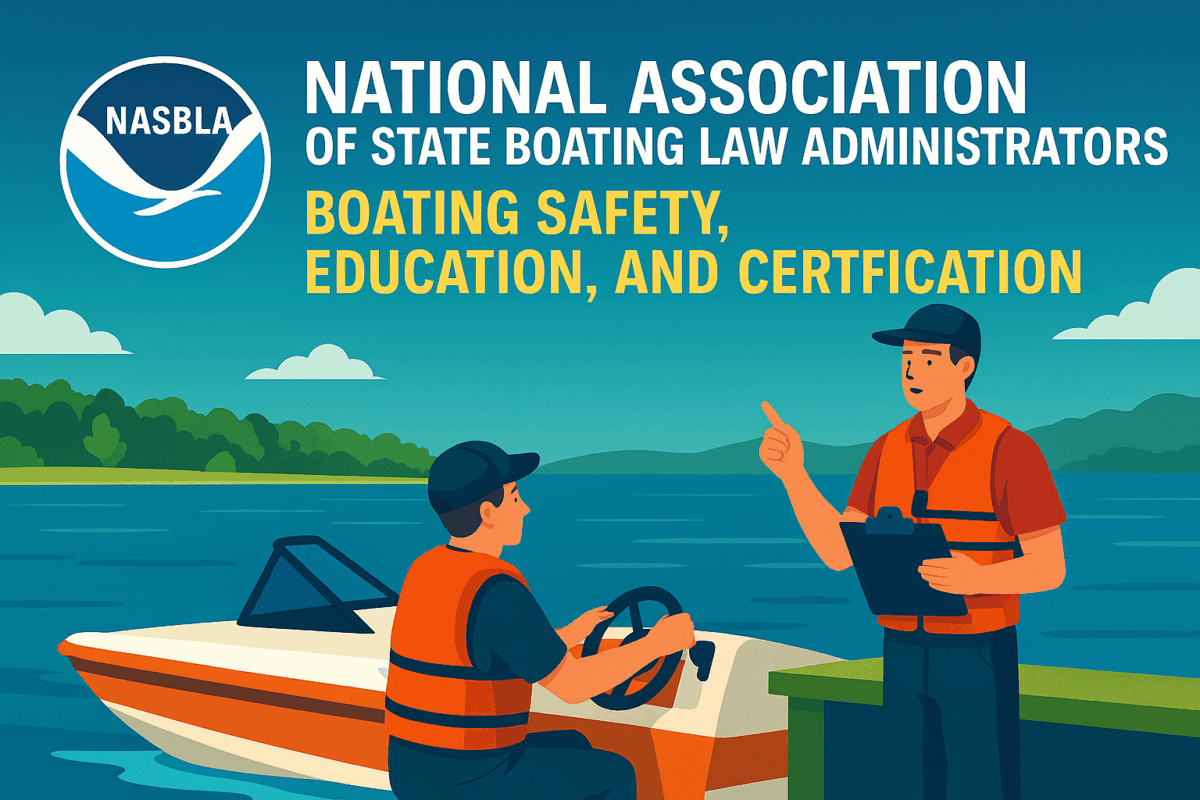
NASBLA BUI Enforcement
Understanding the Purpose Behind NASBLA BUI Enforcement
NASBLA BUI Enforcement offers a broad framework that encourages boaters to think more intentionally about responsible conduct on the water. Because this concept focuses on general awareness rather than specific rules, it allows individuals to reflect on personal habits with greater clarity. As boaters consider these ideas, they gain insight into how preparation influences confidence. Consequently, they begin recognizing patterns that help shape stronger decision‑making. Through this process, people often refine their routines and maintain better consistency during each outing.
How Boaters Respond to Evolving Expectations
Although boating situations vary, individuals respond well when they understand broad expectations that promote accountability. Therefore, general guidance helps boaters evaluate choices with more structure. Since conditions change quickly, adaptable thinking becomes essential for smooth experiences. Furthermore, this mindset supports proactive behavior that reduces uncertainty. After reflecting on their routines, many boaters discover new opportunities for improvement. With this awareness, they handle challenges more effectively and maintain greater confidence throughout the day.
Behavioral Changes Encouraged by NASBLA BUI Enforcement
Whenever boaters revisit foundational concepts, they often gain valuable insight into their decision patterns. NASBLA BUI Enforcement provides a flexible framework that supports clearer thinking. In addition, these ideas help reinforce a sense of responsibility, because boaters consider the long‑term impact of their choices. As individuals examine their habits, they develop stronger situational awareness. Moreover, these reflections encourage consistent preparation that leads to smoother, more predictable outings. By embracing this mindset, boaters create safer and more enjoyable experiences.
Adapting Preparation Routines for Better Outcomes
Since preparation influences comfort, boaters benefit from reviewing essential steps before each trip. With a structured mindset, they plan equipment needs more effectively. As a result, they reduce guesswork and streamline their process. Additionally, clear preparation helps groups communicate better. Because shared expectations improve coordination, teams approach each task with greater confidence. Through steady practice, boaters refine their routines and develop dependable habits. Eventually, these habits support smoother trips and fewer unexpected complications.
Strengthening Long‑Term Awareness Through Continuous Review
Every boater improves when deliberate reflection becomes a routine practice. Because consistent review highlights strengths and weaknesses, individuals adjust their approach with purpose. Furthermore, these adjustments encourage growth that benefits future outings. After adopting steady evaluation habits, boaters identify patterns with greater ease. As they learn from each experience, they streamline their preparation and refine their reactions. With time, this thoughtful mindset becomes second nature. Ultimately, consistent review helps create a safer and more enjoyable boating environment.