Call: 1-800-832-7191

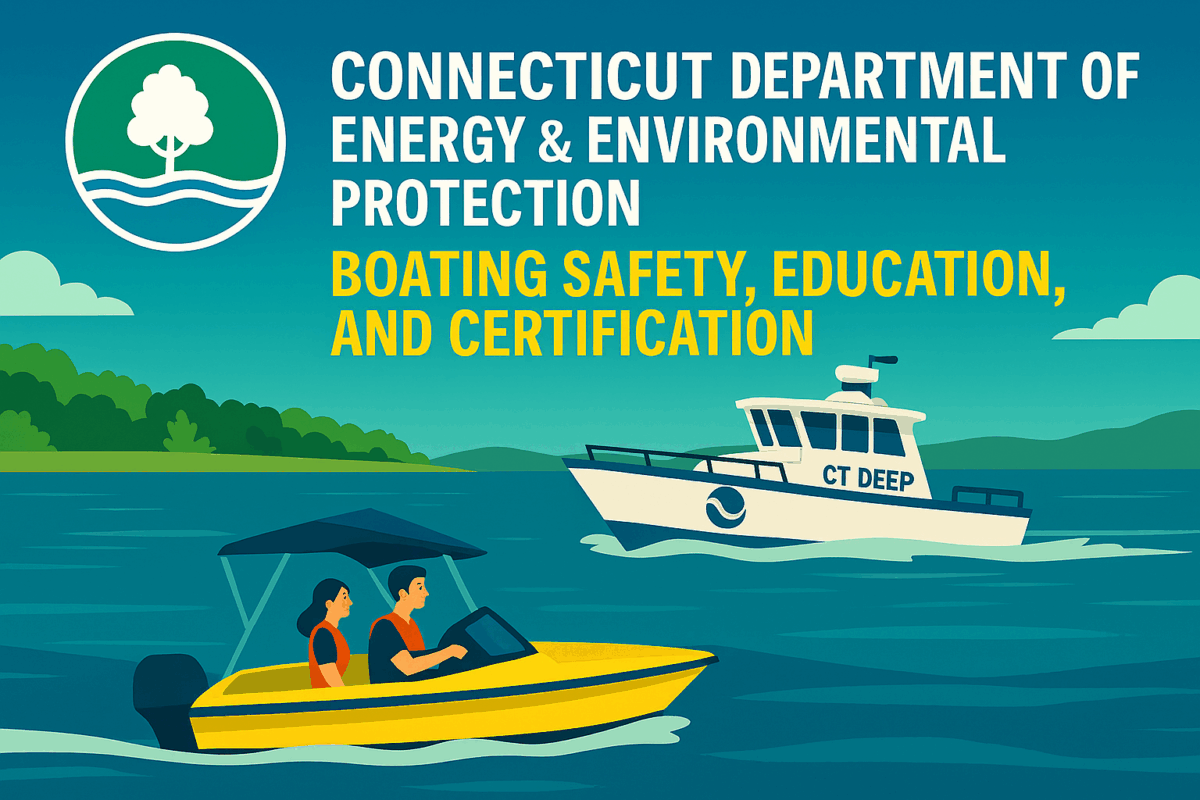
CT DEEP Alcohol Ban
CT DEEP Alcohol Ban
Recreational areas often welcome families, boaters, anglers, and outdoor enthusiasts who seek a safe environment. Because public safety remains a priority, the CT DEEP Alcohol Ban can serve as an example of how agencies may reinforce rules during busy seasons. By promoting responsible behavior, officials encourage visitors to focus on outdoor enjoyment while reducing unnecessary risks.
Understanding the Purpose of Seasonal Restrictions
Many recreational locations experience increased traffic during peak periods. Therefore, managers often review policies that support a positive visitor experience. When large crowds gather, safety concerns may become more noticeable. As a result, agencies may revisit existing regulations.
Furthermore, consistent enforcement helps establish clear expectations for guests. Visitors can better understand acceptable behavior when rules remain visible and easy to follow. Consequently, public spaces often become more welcoming for a wider range of users.
In addition, seasonal reminders strengthen awareness before problems develop. Rather than reacting to issues later, administrators can take preventive measures. Thus, communities may benefit from a more orderly recreational environment.
Benefits of the CT DEEP Alcohol Ban
The CT DEEP Alcohol Ban represents a proactive approach to managing shared public areas. By emphasizing responsible recreation, officials encourage visitors to make thoughtful decisions. Consequently, families may feel more comfortable spending time outdoors.
Moreover, a clearly communicated policy reduces confusion among guests. Everyone understands expectations before entering the area. Therefore, staff members can focus more attention on assisting visitors rather than resolving disputes.
At the same time, public awareness campaigns can support compliance efforts. Educational messaging often explains the reasons for restrictions. As a result, individuals may become more willing to cooperate with established guidelines.
How the CT DEEP Alcohol Ban Supports Visitor Safety
Safety remains one of the primary goals of any recreational policy. Accordingly, the CT DEEP Alcohol Ban demonstrates how agencies may address concerns before they escalate. Prevention often creates better outcomes than enforcement alone.
Likewise, visitors benefit when outdoor spaces maintain a calm atmosphere. Families, paddlers, hikers, and boaters frequently prefer predictable surroundings. Therefore, clear regulations help preserve enjoyable experiences for everyone.
Additionally, staff members can carry out their responsibilities more effectively when expectations are straightforward. Because rules remain consistent, enforcement actions become easier to understand. Consequently, communication between visitors and personnel often improves.
Public confidence may also increase when agencies prioritize safety initiatives. People generally appreciate environments that support responsible recreation. Thus, participation in outdoor activities may continue to grow.
Encouraging Responsible Recreation Through Education
Education plays an important role in successful policy implementation. Instead of relying solely on enforcement, agencies can explain the purpose behind regulations. Consequently, visitors gain a greater understanding of community expectations.
For example, informational signs can provide reminders at key access points. Meanwhile, digital announcements may expand awareness before guests arrive. Therefore, consistent messaging reaches a broader audience.
Another advantage involves promoting personal accountability. When individuals understand how their actions affect others, they often make safer choices. As a result, recreational environments may remain cleaner, calmer, and more welcoming.
Furthermore, educational outreach supports long-term behavioral improvements. Visitors who learn safe habits today may continue practicing them in the future. Therefore, the benefits can extend well beyond a single season.
Community Cooperation and Long-Term Success
Successful recreational management depends on cooperation among visitors, staff, and community stakeholders. Therefore, everyone contributes to creating a positive environment. Shared responsibility often produces better outcomes than regulations alone.
Moreover, public participation strengthens support for community goals. When visitors respect established guidelines, recreational areas frequently operate more efficiently. Consequently, resources can be directed toward improvements rather than corrective measures.
The CT DEEP Alcohol Ban highlights the value of setting clear expectations within popular outdoor destinations. At the same time, consistent communication encourages understanding and compliance. As a result, visitors may enjoy safer and more pleasant experiences.
Ultimately, effective recreational management balances freedom with responsibility. By encouraging respectful behavior, agencies help protect public spaces for future generations. Therefore, outdoor enthusiasts can continue enjoying these destinations with confidence and peace of mind.