Call: 1-800-832-7191
USCG Block Island Vessel Rescue
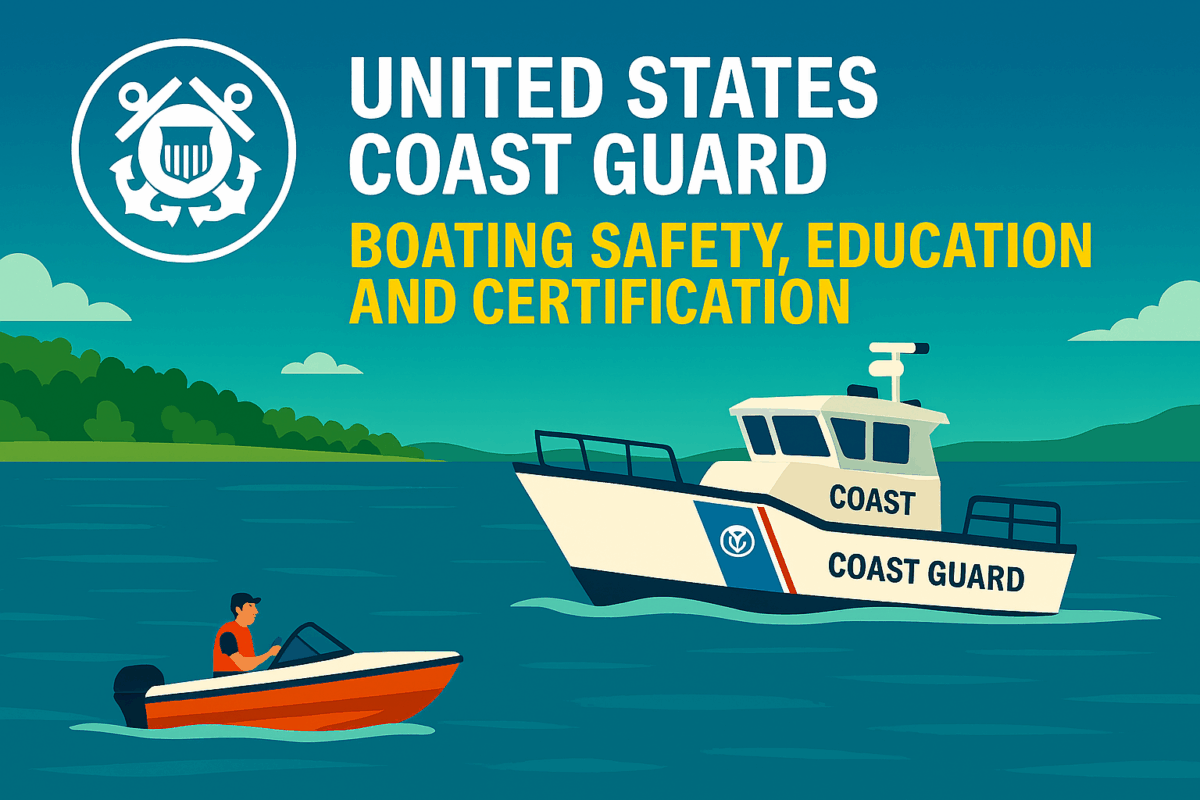
The USCG Block Island Vessel Rescue demonstrates the importance of preparation, coordination, and rapid response during maritime emergencies. From the outset, well-organized efforts help responders manage complex situations with confidence. Moreover, trained teams rely on established procedures to guide critical decisions. As a result, operations remain structured even under pressure. Ultimately, this type of rescue highlights how readiness supports successful outcomes on the water.
Coordinated Response in USCG Block Island Vessel Rescue
First, coordination serves as the foundation for effective rescue operations. Teams must communicate clearly to manage each phase of the response. Additionally, defined roles help responders act quickly without confusion. Because coordination minimizes delays, it improves overall efficiency.
Furthermore, collaboration ensures that every available resource supports the mission. When teams work together seamlessly, they reduce risks and improve outcomes. Therefore, coordination strengthens both confidence and reliability. In turn, responders maintain control during rapidly evolving situations.
Communication Strategies During USCG Block Island Vessel Rescue
Next, communication plays a critical role in maintaining clarity throughout the operation. Clear instructions allow all participants to understand their responsibilities. Moreover, consistent updates keep everyone informed as conditions change. As a result, teams can adjust their actions without hesitation.
In addition, effective communication reduces misunderstandings during high-pressure moments. When information flows smoothly, decision-making becomes more efficient. Because clarity supports action, communication improves both speed and accuracy. Consequently, operations progress with fewer complications.
Environmental Awareness and Decision-Making
Meanwhile, environmental awareness influences every aspect of a rescue effort. Responders must assess conditions to guide their actions safely. For example, shifting elements may require immediate adjustments. Therefore, staying alert ensures that decisions remain appropriate.
Equally important, awareness helps teams anticipate challenges before they escalate. When responders observe conditions carefully, they can act proactively. As a result, risks decrease while efficiency improves. In turn, operations continue with greater confidence and control.
Preparedness and Training for USCG Block Island Vessel Rescue
After coordination and awareness, preparedness ensures readiness in any situation. USCG Block Island Vessel Rescue efforts depend on consistent training and preparation. Additionally, responders practice scenarios to strengthen their skills over time. Because preparation builds confidence, teams handle challenges more effectively.
At the same time, structured training supports consistency across different operations. Responders follow familiar procedures regardless of circumstances. Therefore, preparation reduces uncertainty during critical moments. Ultimately, preparedness improves both performance and safety outcomes.
Lessons Learned…
Finally, every rescue effort provides valuable insights for future improvement. Teams review performance to identify strengths and areas for growth. Moreover, ongoing evaluation encourages refinement of strategies and processes. As a result, future operations benefit from past experience.
In addition, lessons learned contribute to stronger planning and coordination. When teams apply these insights, they improve their overall effectiveness. Because continuous learning drives progress, responders remain prepared for evolving challenges. Consequently, each operation strengthens future readiness.
Beyond the immediate response, structured habits support consistent success in maritime operations. For instance, organized planning helps teams manage resources efficiently. Likewise, maintaining clear communication ensures unified action at every stage. Because consistency builds reliability, teams perform better under pressure.
Additionally, adaptability allows responders to adjust when conditions change unexpectedly. Challenges often require quick thinking and flexible strategies. Therefore, maintaining a proactive mindset improves decision-making. In turn, adaptability enhances both safety and effectiveness.
Equally significant, teamwork reinforces trust and collaboration throughout the operation. Individuals rely on each other to complete complex tasks efficiently. As a result, shared responsibility improves coordination and reduces errors. Furthermore, teamwork creates a supportive and responsive environment.
In conclusion, the USCG Block Island Vessel Rescue highlights the importance of preparation, communication, and coordinated action. Through structured planning and continuous improvement, responders achieve consistent results. Moreover, their efforts demonstrate how effective strategies support safety and success. As a result, maritime operations remain organized, responsive, and reliable.