Call: 1-800-832-7191
CBC Class Reduced Visibility
April 22, 2026
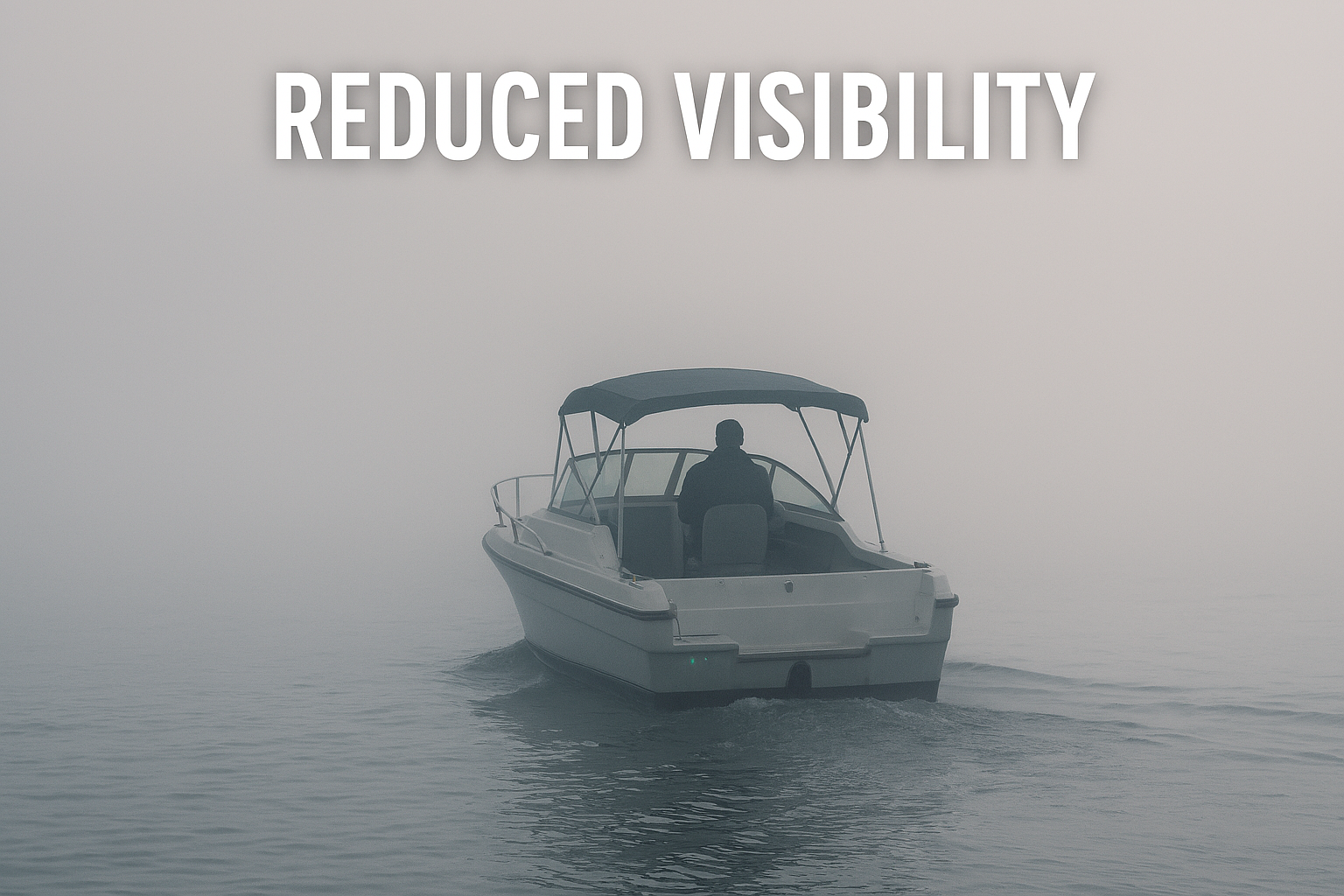
Fog rolls in fast, and suddenly the day feels different. In our CBC Class Reduced Visibility is discussed and furthermore, it turns calm water into a guessing game. Therefore, safe speed becomes your smartest survival tool.
Boaters love throttle, spray, and breeze. However, speed without sight invites chaos. When vision shrinks, reaction time vanishes. Consequently, slowing down creates space for smarter decisions.
This connection feels simple, yet many ignore it. Meanwhile, accidents spike when vision drops. Smart captains respect limits, read signs, and adjust early. Ultimately, safe speed keeps stories funny instead of tragic.
CBC Class Reduced Visibility Turns Speed Into a Gamble
Fog, rain, darkness, and glare attack vision without mercy. Consequently, obstacles appear late and reactions feel rushed. Speed shrinks margins faster than most boaters expect.
However, boats lack brake pedals and instant stops. Therefore, every knot matters when vision fades. A floating log, kayak, or channel marker needs space.
Meanwhile, excessive speed amplifies stress and confusion. Confidence drops as silhouettes blur together. Conversely, slower speeds restore control and calm. Captains then think clearly and steer deliberately.
Importantly, safe speed means adapting constantly. Conditions shift by the minute on open water. As a result, complacency causes trouble quickly.
Safe Speed Starts With Your Eyes
Vision drives every smart boating choice. Therefore, poor sight demands instant speed changes. Eyes scan ahead, to the sides, and behind constantly.
However, faster boats outrun visual processing. The brain needs time to judge distance and direction. Consequently, high speed defeats human limits.
Meanwhile, glare hides buoys and flattens waves. Rain blends shorelines into gray walls. Darkness erases depth and detail completely.
Thus, slowing down restores visual usefulness. Your eyes regain time to interpret shapes. Additionally, passengers relax as motion smooths.
Notably, law enforcement judges speed by conditions. Therefore, excuses rarely work after incidents. Smart captains show restraint before trouble appears.
CBC Class Reduced Visibility Demands Respect, Not Bravado
Pride often whispers bad advice at the helm. However, experienced captains value humility. Reduced Visibility punishes bravado without warning.
Therefore, speed choices should feel almost boring. Boring usually equals safe when view disappears. Meanwhile, caution wins respect from seasoned boaters.
Also, sound replaces sight in poor conditions. Slower speeds improve listening effectiveness. Consequently, horns, engines, and waves reveal nearby traffic.
Importantly, charts and GPS support decisions. However, electronics never replace eyes and judgment. Speed still dictates collision outcomes.
Thus, respect conditions more than schedules. Late arrivals beat emergency calls every time.
Smart Speed Saves Fun and Lives
Boating exists for joy, not chaos. Therefore, smart speed protects laughs and memories. When we have this discussion in our CBC class Reduced Visibility challenges judgment but rewards discipline. Many lives have been lost because the operator was travelling too fast in the fog.
Meanwhile, slowing down increases everyone’s confidence onboard. Passengers feel involved instead of scared. Consequently, trust grows between captain and crew.
Also, reduced speed lowers damage during surprises. Minor bumps replace catastrophic impacts. Therefore, mistakes turn manageable rather than fatal.
Ultimately, good captains adapt constantly. Conditions speak clearly to attentive minds. Safe speed answers with restraint and awareness.
So ease back when vision fades. Think ahead, listen closely, and scan endlessly. In the end, safe speed always delivers better endings.
Check out the United States Coast Guard Bulletin regarding Reduced Visibility and Safe Speed. Did you enjoy this blog? Visit our Boaters Blog Page for more!