Call: 1-800-832-7191

DIY Winterizing your Boat
September 2, 2026
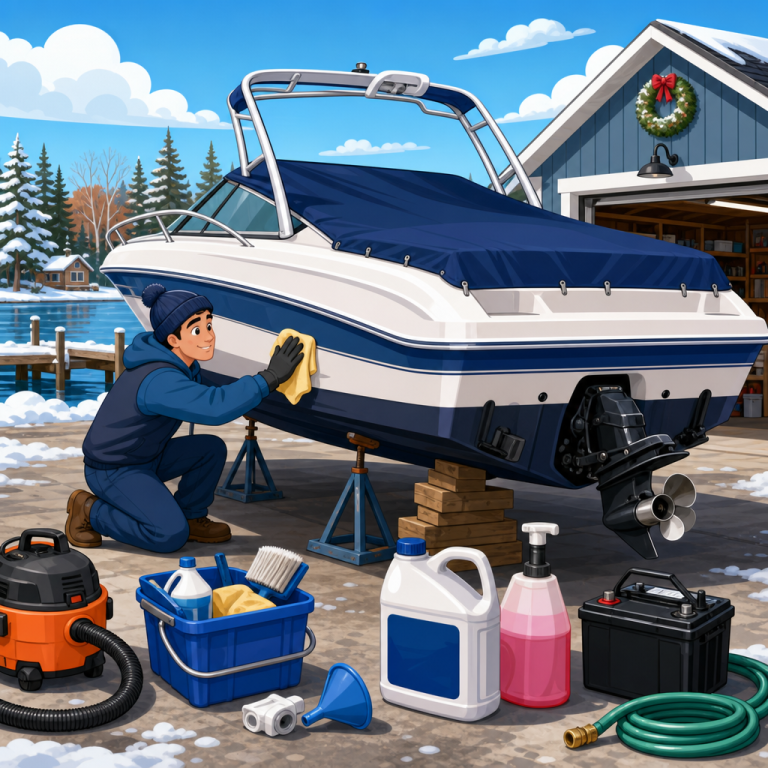
DIY Winterizing Your Boat: Save Money, Protect Your Investment, and Avoid Spring Surprises
Many boaters consider DIY Winterizing when cooler weather arrives and boating days become less frequent. Taking on the task yourself can save money and increase your understanding of your vessel. More importantly, proper winterization helps protect engines, fuel systems, and onboard equipment from seasonal damage. Consequently, a little effort in the fall can prevent expensive headaches in the spring. Nobody wants their first boating trip to begin with a repair bill large enough to sink a small dinghy. This article, “DIY Winterizing Your Boat” takes a deep dive.
Why DIY Winterizing Your Boat Makes Sense
Boat ownership already comes with enough expenses. Therefore, many owners look for practical ways to reduce operating costs. Winterization offers one opportunity to handle routine maintenance without hiring outside help. As long as you don’t end up pulling your hair out and throwing tools around, this can be well worth it!
Besides saving money, the process helps owners become more familiar with their vessels, which is always a plus. As a result, many boaters gain confidence when performing future maintenance tasks. Understanding your systems today can make troubleshooting easier tomorrow.
Another benefit involves timing. Professional service providers often become busy during the fall months. Meanwhile, boat owners who handle their own preparation can work according to their schedules. That flexibility often reduces stress before storage season begins. As far as it being a stress reliever, well that is a story for another day…
A successful winterization routine protects important components from freezing temperatures and corrosion. Freezing water can damage engines, plumbing systems, and other vessel components. Fuel degradation and internal corrosion can also create problems during storage. There are products designed to protect the fuel over the winter, see below.
Essential Steps Before Storage
Preparation begins with a thorough cleaning. Dirt, debris, and moisture can create unwanted issues during long storage periods. Consequently, many experienced boaters start by washing the hull and cleaning interior spaces. Dare I say that this should not be done in freezing weather?
After cleaning, inspect the boat carefully. Look for worn hoses, damaged wiring, loose hardware, and other concerns. Identifying problems now often prevents larger repairs later. Routine inspections are a must on a boat.
Fuel management deserves special attention. Additionally, many owners add fuel stabilizer before storage. Stabilized fuel helps reduce deterioration during extended inactivity. Fuel can form gums and varnish when left untreated for long periods.
Next, check fluid levels and perform recommended maintenance tasks. Fresh fluids often support better long-term protection. Moreover, routine servicing keeps equipment ready for the next boating season.
Battery care matters just as much. Disconnecting, maintaining, or properly storing batteries can improve reliability. Otherwise, spring may arrive with a dead battery and a frustrated captain.
Common Mistakes During DIY Winterizing Your Boat
Every boating community has stories about winterization mistakes. Usually, those stories become much funnier after someone else pays the repair bill. Maybe you pay for it emotionally when you forget to put the drain plug back in.
One common mistake involves rushing through the process. Instead, work methodically and use a checklist. Careful steps usually produce better outcomes. Slow and steady as she goes!
Some owners overlook hidden water systems. However, trapped water can create serious problems during freezing weather. Protecting onboard water systems from freeze damage during winter storage is a must.
Another frequent error concerns fuel treatment. Adding stabilizer without circulating it through the system limits its effectiveness. Therefore, many owners run engines briefly after treatment according to manufacturer recommendations. Allowing the fuel and stabilizer to circulate throughout the entire system works best.
Forgetting storage ventilation creates another challenge. Moisture can encourage mildew growth in enclosed spaces. Consequently, proper ventilation supports cleaner spring conditions.
Finally, avoid treating winterization like a speed contest. Nobody awards trophies for the fastest storage preparation. The only prize usually involves fewer repair invoices.
Protecting Your Engine and Systems
Engine protection remains one of the most important goals. When performing a DIY winterizing of your boat. Water left inside cooling passages can create extensive damage when temperatures drop. Therefore, many owners focus significant attention on engine preparation.
Oil changes often form part of seasonal maintenance routines. Fresh oil helps protect internal engine components during storage. Likewise, replacing filters may support cleaner operation when boating resumes.
Cooling systems also require careful consideration. Different engines may require different procedures. Consequently, owners should always follow manufacturer guidance for their specific equipment.
Attention should also extend to onboard accessories. Pumps, plumbing, electronics, and safety equipment benefit from seasonal inspection. Small maintenance efforts frequently prevent larger future problems.
Although these tasks require time, the investment often pays dividends. A well-prepared vessel typically creates fewer surprises when launch season returns.
Spring Starts in the Fall
Many boaters focus entirely on the end of the current season. However, smart owners think ahead to next spring. Every maintenance task completed today can contribute to a smoother launch tomorrow.
Organization helps throughout the process. For example, keeping maintenance records makes future servicing easier. Similarly, labeling stored equipment reduces confusion months later.
Weather conditions can also influence storage decisions. Therefore, owners should evaluate local conditions and storage arrangements carefully. Planning ahead often produces better results than reacting at the last minute. Does anyone still react last minute?
The real value of DIY winterizing your boat extends beyond saving a few dollars. Owners gain knowledge, confidence, and familiarity with their vessels. Furthermore, they develop habits that support long-term boat care.
When spring finally arrives, prepared boaters often spend more time on the water and less time in repair shops. That outcome alone makes all of it worth the effort. Besides, wouldn’t you rather tell stories about great boating trips than exciting encounters with your mechanic?
Final Thoughts on DIY Winterizing Your Boat
Seasonal preparation may not feel as exciting as a day on the water. Nevertheless, responsible maintenance supports safe and enjoyable boating. Furthermore, consistent care helps protect one of your largest recreational investments.
By approaching DIY winterizing of your boat with patience and attention to detail, you can improve reliability and reduce future expenses. Most importantly, proper preparation helps ensure your boat stands ready when warm weather returns and boating adventures call once again.
Source:
West Marine, How to Winterize Your Boat: The Complete Guide
https://www.westmarine.com/west-advisor/boat-owners-guide-to-winterization.htm
Discover all our site has to offer:
Connecticut Boating Certificates Upcoming Courses
Testimonials Archive – Connecticut Boating Certificates LLC
Connecticut Boating Certificates LLC Boaters Blog
The Helm for all boaters CT DEEP, NASBLA, NOAA, USCG, WSIA