Call: 1-800-832-7191

The Beaufort Scale
July 13, 2026
Understanding Wind and Water: A Boater’s Guide to Nature’s Signals
Boaters often check forecasts before leaving the dock. However, conditions can change quickly on the water. The Beaufort Scale helps mariners estimate wind strength through visible clues. Sir Francis Beaufort created the system in 1805. Since then, sailors have used it to make safer decisions. Best of all, the method requires observation rather than expensive equipment.
How The Beaufort Scale Guides Boaters
Many boaters carry wind instruments today. Nevertheless, visual observation still provides valuable information. Sailors can watch waves, ripples, flags, and spray. Those signs reveal important changes in wind conditions.
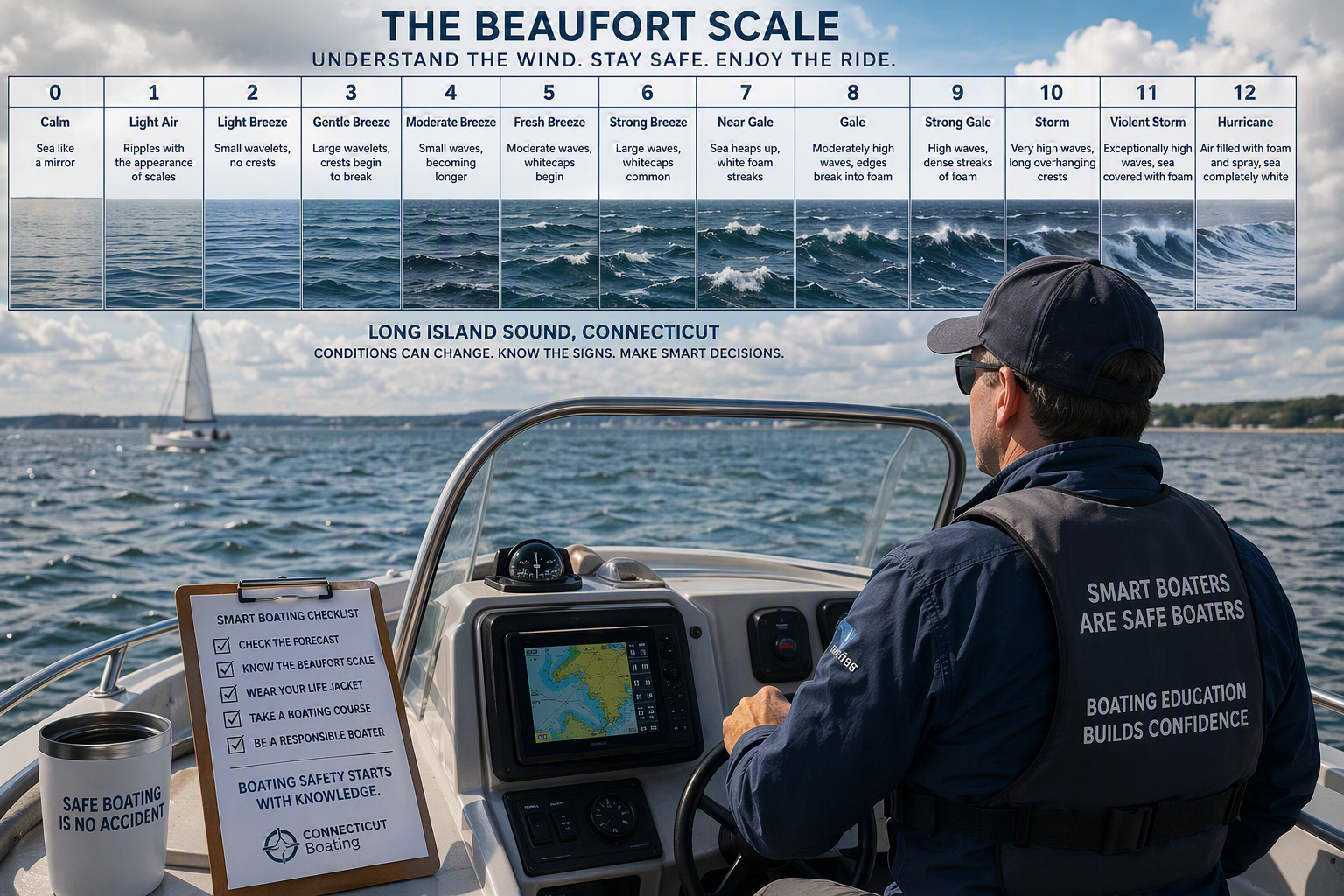
The Beaufort Scale uses numbered levels from 0 to 12. Level 0 indicates calm conditions. At that stage, the water often looks smooth and glassy. By contrast, Level 3 produces small wavelets and steady movement. Higher levels create larger waves and stronger gusts.
Because the system relies on observation, it remains useful during equipment failures. Moreover, it helps boaters verify forecast information. Experienced captains often compare visual conditions with reported wind speeds. As a result, they gain a better understanding of current conditions.
Learning the scale does not require advanced training. Instead, boaters can practice during routine outings. Over time, wind patterns become easier to recognize. Consequently, confidence grows with each trip.
Reading Wind Clues on the Water
Nature offers many hints about changing weather. For example, light winds create minor ripples across the surface. Small leaves and smoke also move gently. Those signs often indicate pleasant boating weather.
As wind speed increases, wave crests become more noticeable. Additionally, whitecaps begin to appear. Their arrival signals a stronger breeze. Many recreational boaters pay close attention to that change.
Stronger winds create blowing spray and rougher seas. Meanwhile, boat handling becomes more challenging. Steering requires greater attention. Docking also demands additional care.
Observing the shoreline helps as well. Trees bend more as wind strength increases. Flags extend farther from their poles. Furthermore, nearby boats often reveal changing conditions before you feel them directly.
Weather apps provide useful information. Even so, visual observation remains important. Conditions can vary across short distances. Therefore, smart boaters continuously scan their surroundings.
Why The Beaufort Scale Matters on Long Island Sound
Long Island Sound presents unique boating conditions. The waterway stretches between Connecticut and Long Island. It supports recreational boating, fishing, and commercial traffic. Therefore, mariners encounter diverse conditions throughout the year.
The Beaufort Scale offers practical value on Long Island Sound because winds often shift during the day. Morning conditions may seem calm. However, afternoon breezes can strengthen quickly. Those changes influence wave height, comfort, and safety.
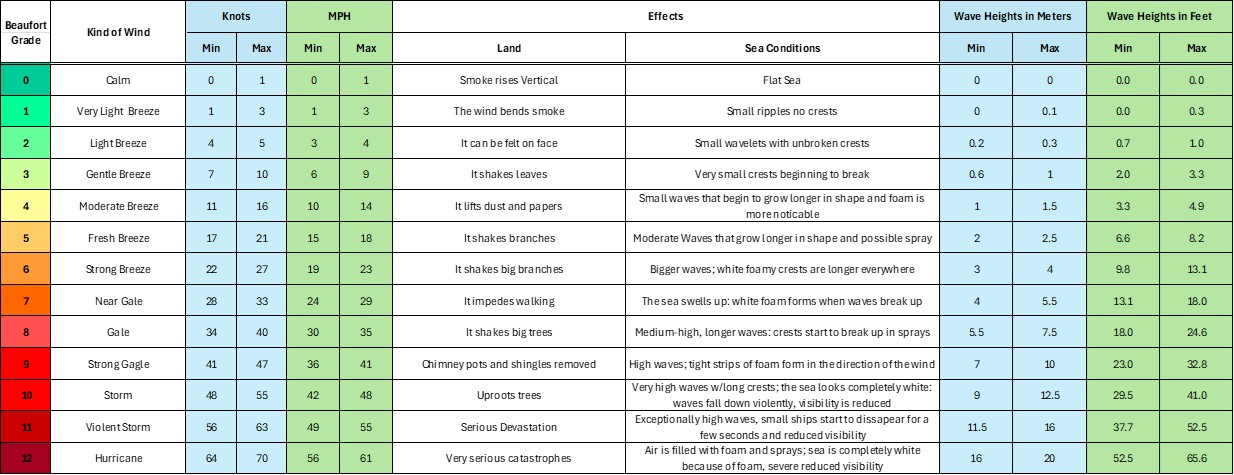
Southwest winds frequently build during warmer months. Consequently, waves can become choppy across open stretches. Boaters traveling farther from shore often notice stronger effects. Smaller vessels may experience a rough ride.
Tidal currents add another factor. When wind opposes current, wave conditions can worsen. As a result, boaters may encounter steeper waves than expected. Careful observation helps crews adjust plans early.
Local knowledge improves boating success. Nevertheless, every outing brings different circumstances. Wind direction, tide stage, and vessel size all matter. Therefore, boaters benefit from multiple sources of information.
Many Connecticut boaters use visual clues while crossing open sections of the Sound. They watch wave patterns carefully. Likewise, they monitor nearby vessels for signs of deteriorating conditions. That habit supports safer decision-making.
Smart Decisions Before Conditions Change
Good seamanship involves preparation and awareness. Accordingly, boaters should review forecasts before departure. They should also monitor conditions throughout the trip. Wind rarely follows a boater’s schedule.
Safety equipment deserves equal attention. Life jackets should remain accessible. Communication devices should stay charged. Furthermore, everyone aboard should understand basic safety procedures.
Trip planning reduces unnecessary risk. For instance, boaters can identify protected areas before departure. They can also mark alternative routes. If conditions worsen, those options become valuable.
New boaters sometimes focus only on destination plans. However, successful captains focus on conditions first. Nature usually provides advance notice. The challenge involves recognizing those signals.
Practice strengthens observation skills. Therefore, boaters should compare forecasts with actual conditions regularly. Over time, they develop a reliable understanding of wind behavior. That experience supports better judgment.
Boating always includes an element of adventure. After all, staring at the couch rarely creates memorable stories. Yet smart adventures require preparation. Understanding wind clues helps prevent trouble before it starts.
The ability to estimate wind strength remains a valuable boating skill. Although technology continues to improve, observation never loses importance. By learning natural indicators, boaters gain another layer of awareness. More importantly, they enjoy safer and more comfortable days on the water. Whether cruising a quiet cove or crossing Long Island Sound, a little wind knowledge can make a big difference.