Call: 1-800-832-7191
Most Dangerous Boating Mistakes
June 8, 2026
The Most Dangerous Boating Mistakes (And How to Avoid Them Without Looking Like Dave)
Every season, new boaters unknowingly repeat the Most Dangerous Boating Mistakes. Unfortunately, these errors often happen on calm, sunny days. While the water looks inviting, small decisions can quickly spiral into serious trouble. So, let’s break down the habits that cause problems and how you can avoid them without becoming a cautionary tale.
Ignoring Weather Changes Like They Don’t Matter
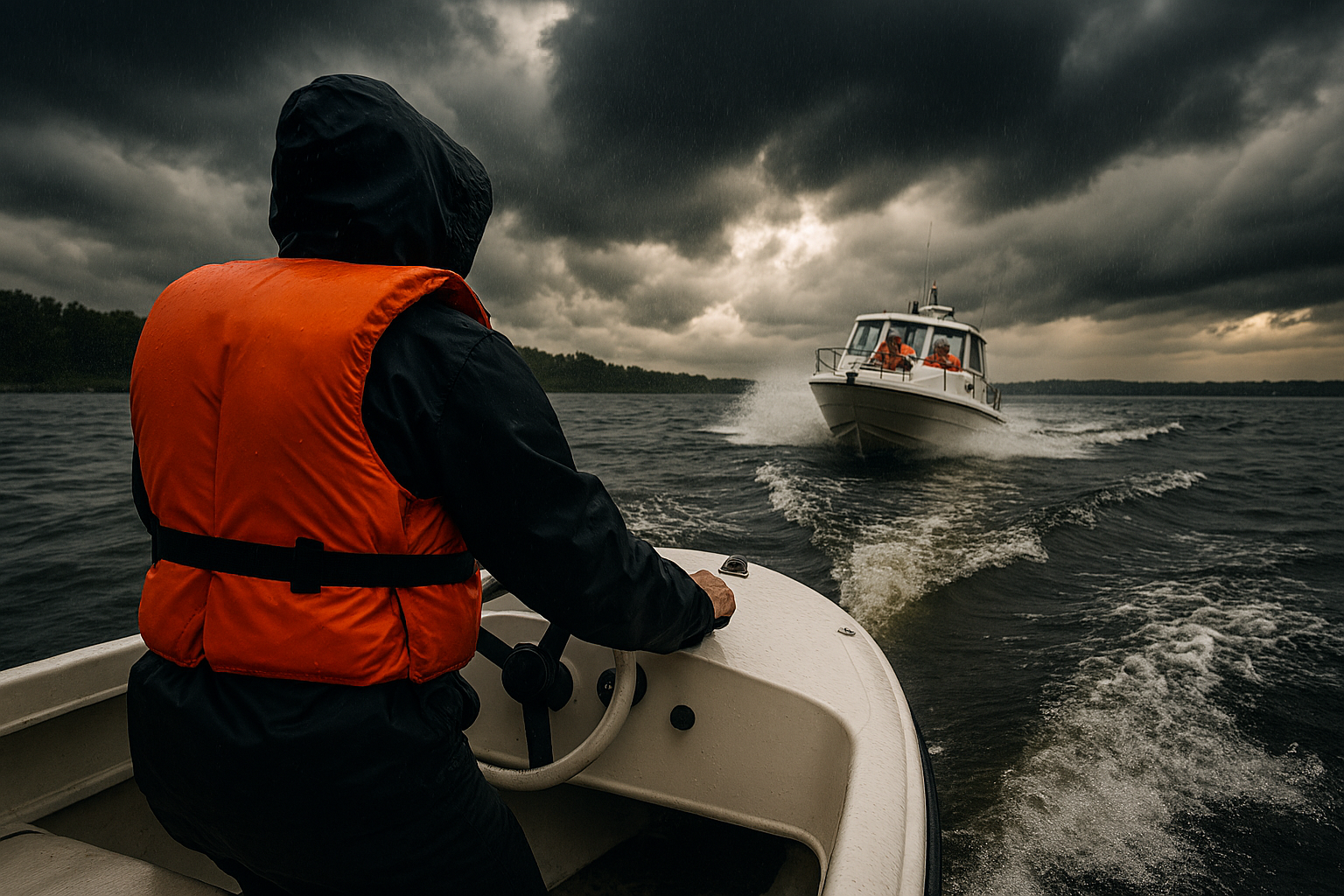
Many boaters assume clear skies guarantee a safe day. However, weather changes quickly on the water. Storms can roll in faster than you can say, “That cloud looks suspicious.”
Moreover, wind shifts can create rough conditions even on familiar lakes. Yet, beginners often overlook forecasts before launching. As a result, they get caught off guard and scramble to react.
Instead, always check multiple weather sources before departure. Then, continue monitoring conditions throughout your trip. If clouds build or winds rise, head back early. Smart boaters respect the weather instead of gambling against it.
The Most Dangerous Boating Mistakes Happen When You Skip Preparation
Preparation may feel boring, but it prevents chaos later. Still, many people rush through pre-launch checks. Consequently, they forget critical items like life jackets or drain plugs.
For example, Dave once launched perfectly. Then, he realized water filled his boat because he skipped one tiny step. Needless to say, Dave had a very short day on the water.
Therefore, create a simple checklist and actually use it. Before leaving the dock, confirm safety gear, fuel levels, and communication devices. In addition, ensure everyone knows basic safety rules. Preparation may seem tedious, yet it keeps your trip enjoyable instead of memorable for the wrong reasons.
Overconfidence Leads to the Most Dangerous Boating Mistakes
Confidence grows quickly after a few smooth outings. However, overconfidence causes poor decisions. Many operators speed through crowded areas or ignore navigation rules.
Meanwhile, experienced boaters know that conditions always change. They stay alert and adapt their behavior accordingly. On the other hand, overconfident operators assume nothing will go wrong.
Because of this mindset, they take unnecessary risks. They may cut too close to other boats or misjudge distances. Eventually, those risks catch up with them.
To stay safe, treat every outing with respect. Even if you feel comfortable, remain cautious. Confidence helps, but humility keeps you safe.
Failing to Keep a Proper Lookout
Distractions ruin focus faster than anything else. Phones, conversations, and scenery all compete for attention. Unfortunately, losing focus even briefly can lead to collisions.
Additionally, many boaters assume others will move out of the way. That assumption creates dangerous situations. Everyone shares responsibility on the water, not just the other guy.
So, always maintain a full view of your surroundings. Scan ahead, behind, and to both sides regularly. If passengers talk, listen while staying aware. A good operator multitasks without losing focus.
By staying alert, you avoid surprises and react quickly when needed.
The Most Dangerous Boating Mistakes Often Involve Speed Misjudgment
Speed feels different on water than on land. Many new boaters underestimate how long it takes to stop or turn. As a result, they approach docks or swimmers too quickly.
Furthermore, wake zones exist for a reason. Ignoring them can damage property or injure others. Yet, some boaters blast through these areas without thinking.
Instead, adjust your speed based on conditions and surroundings. Slow down near other boats, docks, and shorelines. Then, increase speed only when it is safe.
By managing speed carefully, you protect both your passengers and everyone around you. Check out this interpretation from Cornell Law School.
Final Thoughts: Learn Before the Hard Lessons Hit
Boating offers incredible freedom, but it demands responsibility. The Most Dangerous Boating Mistakes rarely come from bad intentions. Instead, they come from inexperience, distractions, or overconfidence.
Fortunately, you can avoid these problems with awareness and preparation. Practice safe habits every time you head out. More importantly, stay humble and keep learning.
After all, nobody wants to become the next “Dave story.” With the right mindset, you enjoy every trip without unnecessary drama. And honestly, that’s the best kind of boating story.