Call: 1-800-832-7191
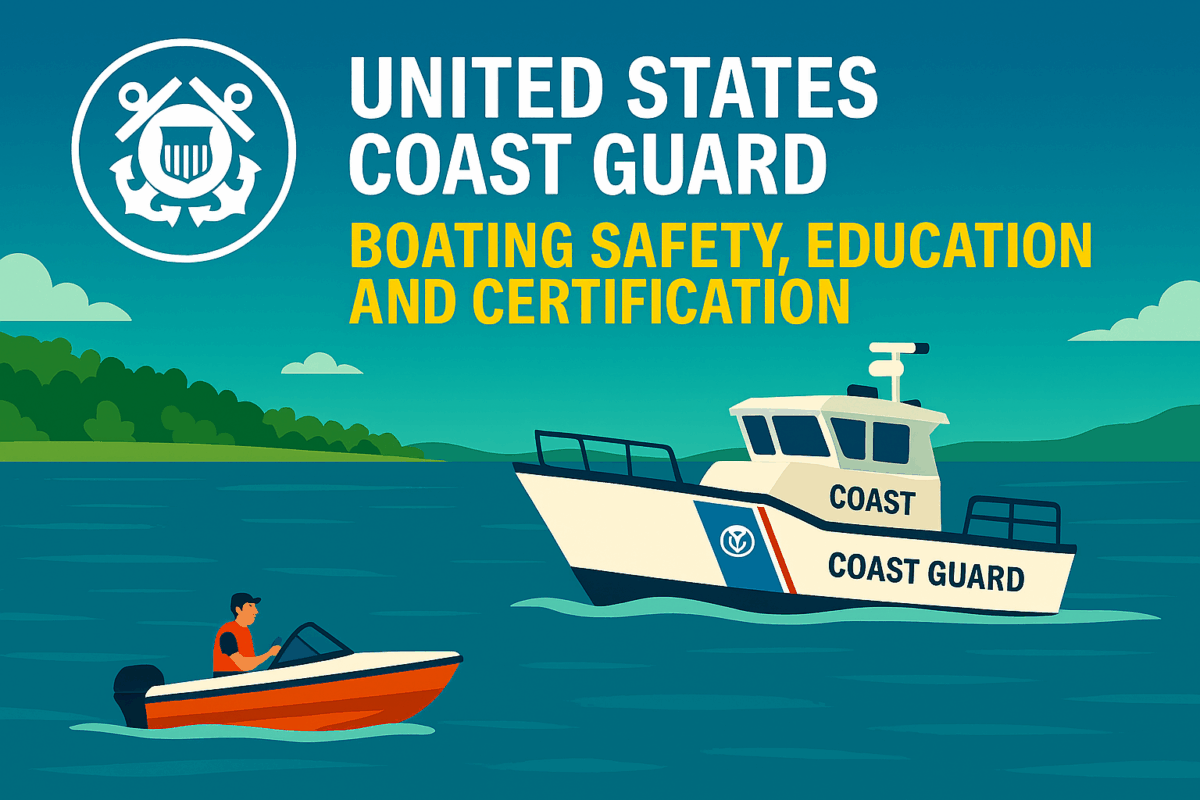
USCG Elite Rescue Training
The USCG Elite Rescue Training concept captures the highest level of preparedness, focus, and disciplined response on the water. From the very beginning, this type of training emphasizes awareness, precision, and consistent decision-making under pressure. While the term feels intense, the core idea remains simple. Boaters must prepare thoroughly and act confidently in challenging situations. Therefore, this mindset extends beyond professionals and influences everyday boating behavior.
Understanding the Core of USCG Elite Rescue Training
First, effective training builds strong habits through repetition and structure. Each skill develops through deliberate practice and attention to detail. Additionally, trainees learn to read conditions quickly and respond without hesitation. Because time matters during emergencies, every second counts.
Furthermore, this approach encourages clarity of thought in stressful moments. Instead of reacting emotionally, trained individuals act methodically. As a result, outcomes improve while risks decrease. Consequently, the principles behind USCG Elite Rescue Training offer valuable lessons for all boaters.
Why Preparation Defines USCG Elite Rescue Training
Preparation stands as the foundation of USCG Elite Rescue Training. Before any real-world scenario unfolds, strong preparation sets the stage for success. For example, equipment checks ensure reliability during critical moments. Likewise, mental readiness prepares individuals to adapt quickly.
Moreover, preparation builds confidence through consistent routines. When boaters know their gear and procedures, hesitation disappears. Therefore, preparation reduces errors and strengthens decision-making. In addition, proper training promotes awareness of surroundings at all times.
Because conditions change rapidly on the water, preparation must remain constant. Consequently, skilled boaters anticipate problems before they occur.
Applying USCG Elite Rescue Training Mindset to Recreational Boating
Recreational boating benefits greatly from structured thinking and disciplined habits. Even without formal rescue roles, boaters can adopt similar practices. For instance, conducting pre-departure checks mirrors professional preparation steps. Additionally, reviewing safety procedures ensures readiness for unexpected events.
Moreover, responsible boating requires continuous awareness of weather, traffic, and equipment performance. Therefore, a focused mindset reduces surprises and builds confidence. Experienced boaters understand that small details often prevent larger problems.
In the same way, the USCG Elite Rescue Training mindset reinforces consistency and accountability. As a result, recreational boaters gain greater control over their environment.
Building Confidence Through Consistent Training
Confidence grows through repetition and steady improvement. Each practice session strengthens familiarity with equipment and procedures. As skills improve, decision-making becomes faster and more accurate.
Additionally, regular training builds muscle memory and situational awareness. Because emergencies develop quickly, instinctive responses matter most. Therefore, consistent effort leads to stronger performance under pressure.
Moreover, confidence supports calm behavior during challenging situations. When individuals trust their abilities, panic fades. Consequently, actions become deliberate and effective.
The final reference to USCG Elite Rescue Training highlights its lasting impact. Although originally designed for advanced scenarios, its principles apply widely. Every boater benefits from preparation, awareness, and disciplined execution.
Creating a Culture of Safety and Readiness
A strong boating culture depends on shared responsibility and clear expectations. Each participant contributes to a safer environment through preparation and awareness. Therefore, education plays a critical role in shaping behavior.
In addition, communication between crew members improves coordination. When everyone understands their role, responses become faster and more effective. Consequently, teamwork strengthens safety outcomes.
Moreover, consistency reinforces best practices over time. Repeating safe habits creates automatic responses during unexpected events. As a result, boaters maintain control even under pressure.
Finally, adopting structured training principles transforms the entire boating experience. Instead of reacting to problems, boaters prevent them proactively. This mindset supports confidence, safety, and long-term success on the water.