Call: 1-800-832-7191
The Boater Freedom Act
May 27, 2026
Why the “Boater Freedom Act” Has Everyone Talking
The Boater Freedom Act grabs headlines and sparks dockside debates across the country. Many boaters hear about it and wonder if those freedoms apply locally. However, that idea does not reach Connecticut waters. Instead, Connecticut follows its own boating laws and enforcement rules.
Because of that difference, confusion spreads quickly. Friends share posts online, and rumors grow legs. Consequently, boaters start asking if random safety checks still happen. The short answer remains simple. Yes, Connecticut officers can still stop your vessel for safety checks.
What the Boater Freedom Act Actually Does
First, let’s clear up what the law really means. The Boater Freedom Act started in Florida and took effect in 2025. It limits certain random stops on recreational vessels. Specifically, officers need clearer reasons to conduct some inspections. Therefore, the law focuses on reducing unnecessary interruptions during normal boating. Supporters say it protects personal freedom on the water. On the other hand, critics worry about weaker safety oversight.
Even so, the key point matters most for Connecticut readers. This law applies only in Florida waters. It does not change boating enforcement in other states. As a result, Connecticut operates under its long-standing safety rules.
Why Connecticut Is Different
Connecticut takes a traditional approach to boating safety. Officers prioritize prevention instead of reaction. Therefore, they perform safety checks before problems occur.
For example, marine patrols can stop vessels to verify equipment. They check life jackets, fire extinguishers, and registration documents. Additionally, they ensure operators follow navigation rules. Because waterways become crowded, safety matters even more. Busy summer weekends create higher risks of accidents. Consequently, proactive enforcement helps prevent dangerous situations.
Unlike the Boater Freedom Act, Connecticut law allows these stops without suspicion of wrongdoing. That difference surprises many boaters. However, it reflects a safety-first philosophy.
What Happens During a Connecticut Safety Stop
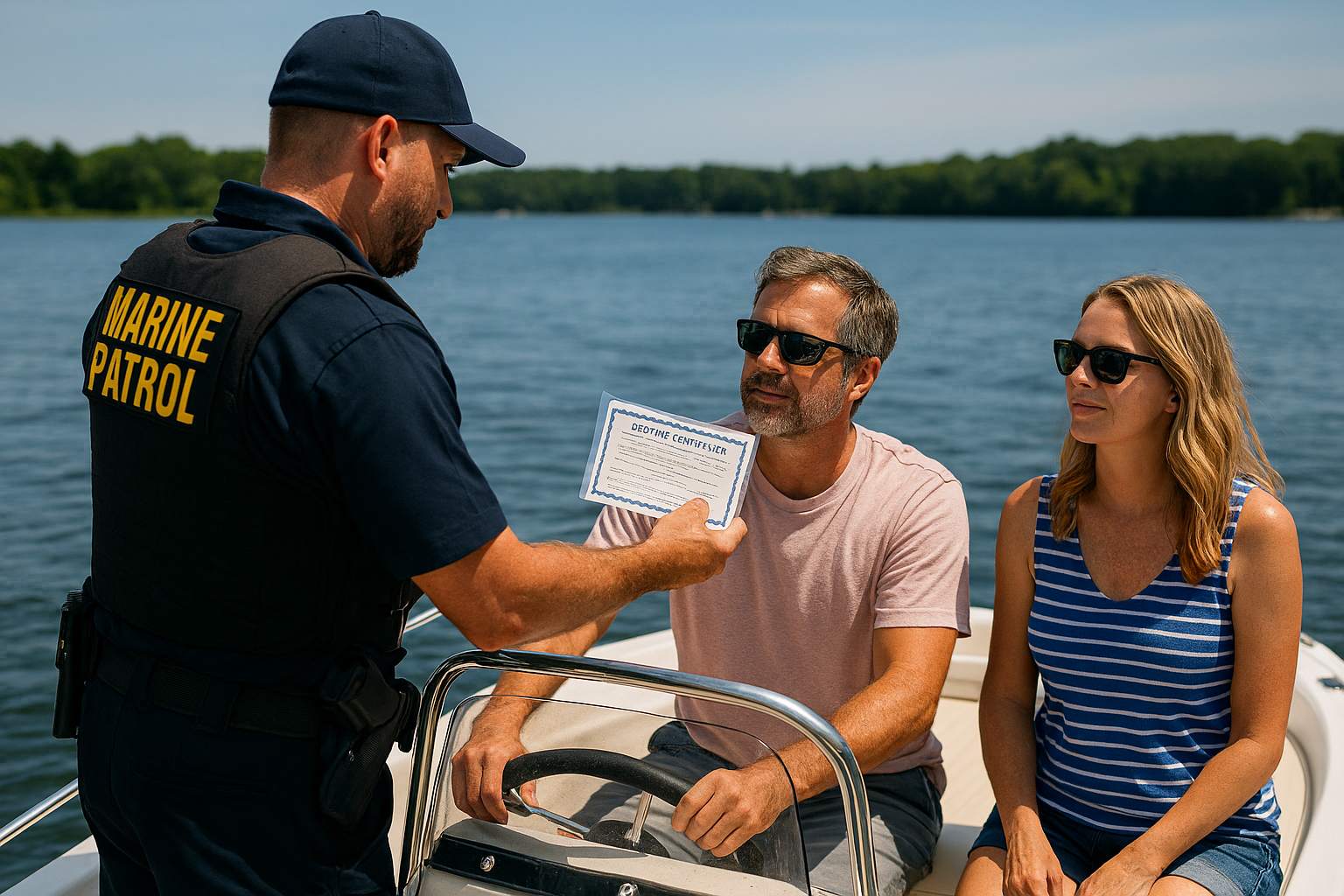
A safety stop in Connecticut usually feels quick and professional. Officers approach calmly and explain the purpose of the check. Then, they request basic documents and review required gear.
Typically, the process lasts only a few minutes. Therefore, it rarely disrupts a day on the water. In fact, many boaters appreciate the reminder to stay compliant. Moreover, officers often provide helpful tips during the interaction. They may point out missing equipment or suggest small improvements. As a result, the stop can actually improve your boating experience.
Still, preparation makes everything easier. Keep your registration accessible and your safety gear organized. That way, the stop ends quickly, and you return to enjoying the water.
Boater Freedom Act vs. Connecticut Reality
Here is where things get interesting. The Boater Freedom Act creates a sense of unrestricted boating freedom. Meanwhile, Connecticut emphasizes structured safety enforcement. Although those approaches differ, both aim to protect boaters. Florida focuses on limiting unnecessary stops. Connecticut focuses on preventing accidents before they happen.
Because of that contrast, Connecticut boaters should not expect fewer stops anytime soon. Instead, they should expect consistent enforcement during peak seasons. Additionally, new boaters should learn these rules early. Think of it this way. A quick safety check beats a long day dealing with an accident. Therefore, most experienced boaters accept these inspections as part of responsible boating.
Stay Smart, Stay Safe, Stay Floating
Boating should always feel fun and freeing. However, freedom comes with responsibility. That balance defines Connecticut’s approach to water safety.
Even though the Boater Freedom Act sounds appealing, it does not apply locally. Therefore, understanding your state’s rules keeps you prepared. More importantly, it keeps everyone on the water safer. Before you head out, double-check your equipment. Then, review basic navigation and safety practices. Additionally, make sure everyone onboard understands their responsibilities.
In the end, a safe trip always beats a stressful surprise. Connecticut officers want the same outcome as you do. They want you to enjoy the water and return home safely. So, wave when they approach. Keep your gear ready. And remember, a short stop today can prevent a long problem tomorrow.